
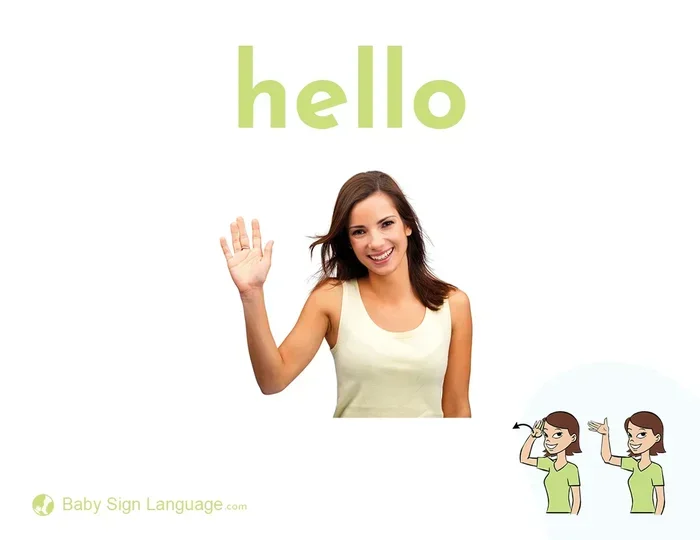

Learning how to say hello in ASL is the first step toward meaningful connection with the deaf community. The basic hello sign involves a simple wave with an open hand near your forehead. This guide covers the sign language greetings you need, along with deaf culture tips and beginner sign language advice to help you communicate with confidence and respect.
Have you ever wanted to greet someone in a whole new way? Learning how to say hello in ASL opens a door to a vibrant, expressive community. American Sign Language is more than just hand movements. It is a full, rich language that connects millions of people around the world.
Whether you are meeting a deaf friend, joining a new community, or simply curious about sign language basics, this guide has you covered. We will walk you through every step with clear, easy-to-follow instructions. You will learn the basic hello sign, explore variations, and discover tips that make your nonverbal communication feel natural and confident.
Key Takeaways
- Basic Hello Sign: A simple wave with an open hand near your forehead is the standard way to say hello in ASL.
- Facial Expressions Matter: Your face conveys emotion and intent just as much as your hands do in sign language.
- Deaf Culture Is Key: Understanding cultural norms shows respect and builds trust with the deaf community.
- Fingerspelling Adds Depth: Knowing the ASL alphabet helps you spell names and words you don’t have a sign for.
- Practice Makes Progress: Regular practice with native signers accelerates your learning and builds fluency naturally.
📑 Table of Contents
- Why Learning ASL Greetings Matters
- How to Say Hello in ASL: The Basic Sign
- Variations of the Hello Sign in ASL
- Understanding the Meaning Behind the Sign
- Facial Expressions and Body Language in ASL
- Fingerspelling Your Way Into Conversations
- Connecting With the Deaf Community
- Common Mistakes When Greeting in ASL
- Quick Tips for Fast Progress
- Key Takeaways
- Frequently Asked Questions
- Conclusion
Why Learning ASL Greetings Matters
First impressions matter in every language. When you greet someone in their own language, you show respect and genuine interest. The same holds true for sign language greetings. A simple hello sign can break the ice and build trust quickly.
The deaf community deeply values people who make the effort to learn their language. Many deaf individuals rarely meet hearing people who sign. Your effort stands out. It signals that you care about inclusion and understanding.
More Than Just a Wave
Greeting someone in ASL is not a simple copy of spoken language. The hand gestures carry meaning beyond the physical movement. Your facial expressions, body language, and eye contact all play a role. This is what makes learning ASL such a rewarding experience.
Think about it this way. When you say hello in English, your tone of voice adds warmth or formality. In ASL, your face does the same job. A smile while signing hello changes the entire feeling of the greeting.
How to Say Hello in ASL: The Basic Sign
The standard way to say hello in ASL is straightforward. You raise your open hand near your forehead and wave it slightly outward. Keep your fingers together and your palm facing outward. The movement is small and friendly.
Step-by-Step Guide
- Stand or sit facing the person you are greeting.
- Raise your dominant hand to about forehead level.
- Keep your fingers together and your palm facing away from you.
- Move your hand slightly outward and back in a small wave.
- Smile and make eye contact to complete the greeting.
That is it. No complex handshapes needed. This basic version works in most casual and formal settings. Practice it a few times and it will feel natural fast.
Common Mistakes to Avoid
- Waving too far from your head: The sign stays close to your forehead. Moving it too far changes the meaning.
- Using a full arm wave: Keep the movement small. Only your wrist and hand should move.
- Forgetting facial expression: A neutral face can make the greeting feel cold. Add a warm smile.
Variations of the Hello Sign in ASL
Just like spoken languages, ASL has different ways to greet people depending on the situation. Knowing these variations makes your communication skills more versatile and shows that you understand sign language etiquette.
Casual Hello
For friends and familiar faces, the basic hello sign works perfectly. Keep it relaxed and light. You can add a slight nod of the head to show extra warmth. This is the go-to greeting for everyday ASL tutorial practice.
Formal Hello
In more formal settings, you might combine the hello sign with a slight bow of the head. This adds a layer of respect. Some signers also use both hands for a more deliberate greeting. This works well in professional or new-meeting situations.
Time-Specific Greetings
ASL also has signs for good morning, good afternoon, and good evening. These work just like their spoken counterparts. You can pair them with the hello sign for a fuller greeting. For example, signing good morning followed by hello feels complete and natural.
Understanding the Meaning Behind the Sign
Every sign carries meaning that goes beyond its physical form. The way a sign is used in its natural setting gives it in situ meaning that textbooks alone cannot teach. When you greet someone in ASL, the context shapes the entire message.
The meaning of the hello sign shifts depending on who you are signing to and where you are. A hello to an old friend feels different from a hello to someone you just met. The in situ meaning of the gesture lives in the moment between two people.
Similarly, the in situ meaning of any ASL greeting changes based on facial expression, speed of movement, and body posture. Understanding this context helps you read and send the right message. It is one of the most important lessons in deaf awareness.
Even the in situ meaning of a simple wave can shift from friendly to formal depending on the setting. Pay attention to these subtle cues. They are what turn a basic gesture into genuine communication.
Facial Expressions and Body Language in ASL
Here is something many beginners miss. In ASL, your face is part of the grammar. It is not optional. Your expressions add emotion, emphasis, and even grammatical information to every sign you make.
Smiling While Signing Hello
A genuine smile while saying hello in ASL makes the greeting feel warm and inviting. It signals friendliness and openness. Without it, the same hand gesture can feel flat or even confusing.
Eyebrow Movements
Your eyebrows play a big role in ASL. Raised eyebrows can turn a statement into a question. Relaxed brows show a casual, friendly tone. When you greet someone, keep your brows relaxed and slightly raised for a natural feel.
Eye Contact
Eye contact is essential in the deaf community. It shows that you are engaged and respectful. Avoiding eye contact while signing can feel rude or disinterested. Look at the person while you sign your greeting.
Fingerspelling Your Way Into Conversations
Sometimes you will need to spell out a name or word that does not have a specific sign. This is where the ASL alphabet comes in handy. Fingerspelling is the practice of using handshapes to represent each letter of the English alphabet.
The ASL alphabet uses 26 unique handshapes, one for each letter. Learning it takes time, but even basic beginner sign language skills in fingerspelling go a long way. When you meet someone new, you can fingerspell your name after signing hello.
Tips for Better Fingerspelling
- Keep your hand steady and at shoulder level.
- Pause slightly between letters so the reader can follow.
- Do not bounce or bounce your hand too much.
- Practice spelling common names and everyday words.
Connecting With the Deaf Community
Knowing how to sign hello is just the beginning. Real connection comes from engaging with the deaf community directly. Attend local deaf events, join online signing groups, or volunteer with organizations that support deaf individuals.
The more you practice with native signers, the faster you will improve. You will also learn cultural nuances that no app or book can teach. Deaf culture values storytelling, visual humor, and genuine human connection. Embrace these values and you will find the experience deeply enriching.
Where to Practice ASL Greetings
- Local deaf clubs: Many cities have active deaf clubs that welcome newcomers.
- Online ASL courses: Free and paid options are available on many platforms.
- Deaf events and festivals: These are great places to meet signers of all levels.
- Social media groups: Join Facebook or Reddit communities focused on ASL learning.
- One-on-one practice: Find a deaf friend or tutor who can guide your progress.
Common Mistakes When Greeting in ASL
Everyone makes mistakes when learning a new language. The key is to learn from them and keep going. Here are some common errors beginners make when trying to say hello in ASL.
- Using the hearing wave: A full arm wave from the side is not the ASL hello. Keep it small and near your forehead.
- Ignoring facial expressions: A blank face makes even the best hand gesture feel off. Always pair your sign with expression.
- Signing too fast: Slow down. Clarity matters more than speed in the early stages.
- Not making eye contact: Looking away breaks the connection. Keep your eyes on the person.
- Copying without understanding: Know what each sign means before using it in conversation.
Quick Tips for Fast Progress
Tip 1: Practice Every Day
Even five minutes of daily practice beats a long session once a week. Consistency builds muscle memory and confidence.
Tip 2: Watch Native Signers
YouTube channels, deaf vloggers, and ASL storytelling videos are excellent resources. Watching real signers helps you pick up natural rhythm and flow.
Tip 3: Record Yourself
Film yourself signing hello and review the video. You will notice small improvements you can make right away.
Tip 4: Find a Practice Partner
Signing alone is helpful. But practicing with a real person builds your real-world communication skills faster.
Tip 5: Be Patient With Yourself
Language learning takes time. Celebrate small wins and enjoy the journey of connecting with a new community.
Key Takeaways
- Basic Hello Sign: A simple wave with an open hand near your forehead is the standard way to say hello in ASL.
- Facial Expressions Matter: Your face conveys emotion and intent just as much as your hands do in sign language.
- Deaf Culture Is Key: Understanding cultural norms shows respect and builds trust with the deaf community.
- Fingerspelling Adds Depth: Knowing the ASL alphabet helps you spell names and words you do not have a sign for.
- Practice Makes Progress: Regular practice with native signers accelerates your learning and builds fluency naturally.
Frequently Asked Questions
Is the ASL hello sign the same as waving in spoken English?
No, the ASL hello sign is different from a typical English wave. In ASL, the hand stays close to your forehead and moves in a small, controlled motion. A full arm wave from the side is not the correct way to say hello in ASL. The placement and size of the movement carry specific meaning in sign language.
Can I use the hello sign with anyone in the deaf community?
Yes, the basic hello sign is appropriate for most people and situations. It works for casual greetings and semi-formal settings. However, matching your expression and body language to the context shows cultural awareness and respect for deaf culture.
How long does it take to learn basic ASL greetings?
Most people can learn the basic hello sign in just a few minutes of practice. However, becoming comfortable and natural takes more time. Daily practice, even for just a few minutes, helps build confidence and muscle memory quickly.
Do I need to know the entire ASL alphabet to greet someone?
No, you do not need the full alphabet to say hello. But learning basic fingerspelling is very helpful. It allows you to spell your name or unfamiliar words during conversations. Even knowing a few letters can make a big difference in building connections.
What if I make a mistake while signing hello?
Mistakes are completely normal and expected when learning any new language. Deaf community members are generally very patient and encouraging with learners. A sincere effort and a friendly attitude go a long way, even if your hand gestures are not perfect.
Are there regional differences in how people say hello in ASL?
Yes, just like spoken languages, ASL can have regional variations. Some signers may use slightly different movements or add personal style to their greetings. The core hello sign remains consistent across regions, but individual expression adds personality to the greeting.
Conclusion
Learning how to say hello in ASL is more than memorizing a hand wave. It is your first step into a rich, visual language and a welcoming community. The basic hello sign is simple, but the connections it creates are powerful. With practice, patience, and genuine respect for deaf culture, you will find that every greeting becomes a meaningful moment.
Start with the basics. Add facial expressions. Practice fingerspelling. Engage with the community. Each small step brings you closer to fluent and respectful nonverbal communication. The deaf community is waiting to welcome you. All you have to do is sign hello.



