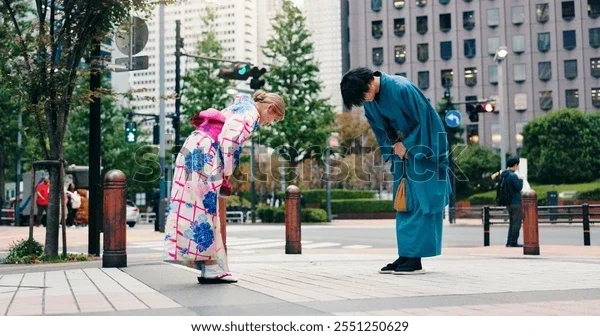

Knowing how to say excuse me in japanese is essential for anyone visiting or living in Japan. The most common phrase is sumimasen, but there are several other polite expressions you should know. This guide covers every way to excuse yourself, get attention, and show respect in Japanese culture. You will learn the right situations for each phrase, pronunciation tips, and cultural context that makes you sound like a local.
Have you ever walked up to someone in Japan and needed to get their attention? Or maybe you accidentally bumped into someone on a busy Tokyo street and did not know what to say? Learning how to say excuse me in japanese is one of the first things every traveler or language learner should do.
The Japanese language has multiple ways to express this simple idea, and each one fits a different situation. Some phrases are casual. Some are very formal. And some can even mean “I am sorry” at the same time. This guide breaks down every option so you can choose the right one with confidence.
Japanese culture places a huge value on politeness and respect. Using the correct polite expressions in japanese shows that you understand and appreciate the culture. Even a basic phrase like “excuse me” carries weight in Japan. People will notice your effort, and it can make your interactions much smoother.
Whether you are planning a trip to Kyoto, studying beginner japanese phrases, or just curious about japanese language tips, this article has you covered. Let us dive into the many ways to say excuse me in japanese, starting with the most common one.
Key Takeaways
- Sumimasen is the go-to phrase: It means both “excuse me” and “I’m sorry” in Japanese.
- Shitsurei shimasu is for formal settings: Use this when leaving a room or interrupting someone important.
- Context matters a lot: The same phrase can change meaning based on tone and situation.
- Pronunciation is key: Getting the rhythm right helps you sound natural and respectful.
- Body language adds meaning: Bowing while saying excuse me shows extra respect in Japanese culture.
- Practice with real examples: The article gives you practical scenarios you can use right away.
📑 Table of Contents
- Sumimasen: The Most Common Way to Say Excuse Me in Japanese
- Shitsurei Shimasu: The Formal Way to Excuse Yourself
- Other Polite Ways to Say Excuse Me in Japanese
- The Cultural Meaning Behind Saying Excuse Me in Japanese
- Body Language and Etiquette When Saying Excuse Me
- Common Mistakes When Using Excuse Me in Japanese
- How to Practice Saying Excuse Me in Japanese
- Final Thoughts on Saying Excuse Me in Japanese
Sumimasen: The Most Common Way to Say Excuse Me in Japanese
If you only learn one phrase for getting someone’s attention or apologizing, make it sumimasen (すみません). This single word does double duty in Japanese. It means both “excuse me” and “I am sorry.” That makes it incredibly versatile and essential for any learner.
You will hear sumimasen everywhere in Japan. In train stations, restaurants, shops, and on the street. Locals use it dozens of times every day. It is the Swiss Army knife of japanese polite expressions.
When to Use Sumimasen
Here are the most common situations where you should say sumimasen:
- Getting someone’s attention: When you need a server, a shop clerk, or a stranger to notice you.
- Passing through a crowd: When you are walking through a busy area and need people to move aside.
- Bumping into someone: When you accidentally touch or hit another person.
- Interrupting someone: When you need to ask a question or break into a conversation.
- Thanking someone: In some contexts, sumimasen can also mean “thank you for your trouble.”
Pronunciation Tips for Sumimasen
The word breaks down into four syllables: su-mi-ma-sen. The “su” sounds like “sue.” The “mi” sounds like “me.” The “ma” sounds like “ma” in “mama.” And “sen” sounds like “sen” in “sentence.” Keep the tone flat and gentle. Do not stress any one syllable too much. A soft, even delivery sounds much more natural and respectful.
Many English speakers say it too fast or too harsh. Slow it down. Let each syllable breathe. This small change makes a big difference in how native japanese speakers perceive your effort.
Shitsurei Shimasu: The Formal Way to Excuse Yourself
If sumimasen is the casual everyday option, then shitsurei shimasu (失礼します) is the formal version. This phrase translates to “I am being rude” or “Please excuse me.” You use it when you are leaving a room, entering a formal space, or interrupting someone in a respectful way.
Shitsurei shimasu carries a deeper sense of awareness. It acknowledges that your action might disturb others. This makes it perfect for business meetings, formal dinners, and traditional settings like tea ceremonies.
Shitsurei Shimasu vs Sumimasen
Here is a quick comparison to help you choose the right phrase:
| Phrase | Level | Best For |
|---|---|---|
| Sumimasen | Casual to Formal | Daily use, getting attention, light apologies |
| Shitsurei shimasu | Formal | Leaving rooms, formal interruptions, business settings |
Use sumimasen for quick, everyday moments. Switch to shitsurei shimasu when the setting calls for more respect and decorum. Both are correct, but timing matters.
Other Polite Ways to Say Excuse Me in Japanese
Beyond sumimasen and shitsurei shimasu, there are a few more expressions worth knowing. Each one fits a slightly different situation and adds variety to your japanese conversational phrases.
Gomen Nasai (I Am Sorry)
Gomen nasai (ごめんなさい) is a heartfelt apology. While it is not exactly “excuse me,” it works in many of the same situations. Use it when you have done something wrong and want to show genuine remorse. It is slightly more serious than sumimasen and best saved for real mistakes.
Sumimasen Deshita (I Am Sorry for the Inconvenience)
This is the past tense version of sumimasen. You say sumimasen deshita after something has already happened. For example, if you stepped on someone’s foot on the train, a quick sumimasen deshita shows you acknowledge what happened and feel regret.
Chotto (Excuse Me, a Bit)
Chotto (ちょっと) is a very casual way to get someone’s attention. It literally means “a little” or “a bit.” You might say “chotto” when tapping a friend on the shoulder or catching a coworker’s eye. It is informal, so save it for relaxed settings with people you know well.
The Cultural Meaning Behind Saying Excuse Me in Japanese
Understanding japanese culture helps you use these phrases correctly. In Japan, politeness is not just about words. It is about mindset. When you say excuse me in japanese, you are not just making noise. You are showing awareness of the people around you.
The concept of in situ meaning plays a role here. The same phrase can carry different weight depending on where you are, who you are talking to, and what time of day it is. For example, saying sumimasen in a quiet temple carries more gravity than saying it in a loud shopping mall.
Japanese society values harmony and avoiding disruption. Every time you use a polite japanese expression, you contribute to that harmony. This is why locals appreciate it so much when visitors make the effort, even if the pronunciation is not perfect.
How Japanese Politeness Compares to Other Cultures
In many Western cultures, saying “excuse me” is simple and functional. In Japan, it is layered with meaning. The phrase shows humility, awareness, and respect all at once. This is similar to how symbols carry deep meaning in different cultures. For instance, the dont tread on me meaning in American culture carries a strong message of independence and defiance. In Japan, politeness carries a message of respect and community instead.
Both expressions reflect their cultures deeply. Understanding this comparison can help you appreciate why japanese manners feel so intentional and thoughtful.
Body Language and Etiquette When Saying Excuse Me
Words alone are not enough in Japan. Your body language matters just as much. Pairing the right polite expressions in japanese with proper etiquette makes your message much clearer and more respectful.
The Japanese Bow
A slight bow when you say sumimasen or shitsurei shimasu shows extra respect. You do not need a deep bow for casual situations. A small nod of the head or a slight bend at the waist works perfectly. For formal settings, a deeper bow shows greater respect.
Hand Gestures
Some people gently raise a hand when saying sumimasen to get attention. Keep it soft and low. A big wave can feel too casual or even rude in formal settings. The goal is to be noticeable but not intrusive.
Eye Contact
In Japanese culture, direct eye contact can feel intense or confrontational. When you say excuse me in japanese, keep your gaze soft. A brief glance followed by a slight bow feels natural and respectful.
Common Mistakes When Using Excuse Me in Japanese
Even with good intentions, learners sometimes make mistakes. Here are the most common ones to avoid:
- Using sumimasen for everything: While it is versatile, using it in formal situations can sound too casual. Switch to shitsurei shimasu when the setting demands it.
- Getting the pronunciation wrong: Japanese vowels are short and crisp. Do not drag out the syllables. Practice saying each part clearly.
- Ignoring context: Saying gomen nasai for a minor bump on the street might feel too heavy. Save strong apologies for real mistakes.
- Forgetting the cultural layer: The phrase is not just a translation. It carries cultural weight. Treat it with the respect it deserves.
- Not pairing words with body language: Saying sumimasen without any bow or acknowledgment can feel flat. Add a small gesture to complete the message.
Quick Tips for Sounding Like a Local
- Practice sumimasen daily until it feels natural.
- Listen to how native speakers say it in Japanese shows or videos.
- Match your tone to the setting. Softer in quiet places, slightly louder in busy ones.
- Pair every phrase with a small bow or nod for extra respect.
- Do not worry about being perfect. The effort itself is appreciated.
How to Practice Saying Excuse Me in Japanese
The best way to master japanese language tips like this is through real practice. Here are some fun and effective ways to build your confidence:
- Shadow native speakers: Watch Japanese dramas or YouTube videos and repeat the phrases out loud. Focus on rhythm and tone.
- Practice with a language partner: Find a Japanese speaker online or in your community. Ask them to correct your pronunciation gently.
- Use language apps: Apps like Duolingo or Clozemaster help reinforce beginner japanese phrases through repetition.
- Talk to yourself: Say sumimasen out loud when you practice getting through a door or passing someone in your home. It builds muscle memory.
- Immerse in the culture: Explore Japanese traditions, names, and symbols. For example, learning about japanese fox names or japanese cat names gives you cultural context that enriches your language learning journey.
The more you surround yourself with the language, the more natural these phrases will feel. Over time, saying excuse me in japanese will become second nature.
Final Thoughts on Saying Excuse Me in Japanese
Mastering how to say excuse me in japanese opens doors to better communication and deeper cultural understanding. Start with sumimasen as your everyday go-to. Add shitsurei shimasu for formal moments. And sprinkle in gomen nasai when you need to show genuine remorse.
Each phrase carries a piece of japanese culture within it. When you use them correctly, you show respect, awareness, and humility. These are values that resonate deeply in Japan and in any culture that values kindness and consideration.
Keep practicing. Keep learning. And remember that every effort you make, no matter how small, is a step toward connecting with people in a meaningful way. The world of japanese polite expressions is rich and rewarding. Enjoy the journey of discovering it.
Frequently Asked Questions
What is the easiest way to say excuse me in Japanese for beginners?
Sumimasen is the easiest and most versatile phrase for beginners. It works for getting attention, apologizing, and showing respect in most everyday situations. Just remember to say it with a soft, gentle tone for the best effect.
Is sumimasen the same as I am sorry in Japanese?
Yes, sumimasen can mean both “excuse me” and “I am sorry.” The exact meaning depends on the context and your tone. For a stronger apology, you can use sumimasen deshita or gomen nasai instead.
How do you pronounce shitsurei shimasu correctly?
Break it into four parts: shi-tsu-re-i shi-ma-su. Keep each syllable short and crisp. The “shi” sounds like “she,” and “ma” sounds like “ma” in “mama.” Practice slowly at first, then speed up naturally as you get comfortable.
Can I use excuse me phrases in casual settings with friends?
Absolutely. Sumimasen works in both casual and formal settings. For very close friends, you might even use sumimasen casually without feeling like it is too formal. Japanese people appreciate polite language in all contexts.
What body language should I pair with excuse me in Japanese?
A small bow or nod pairs perfectly with any excuse me phrase. Keep your eye contact soft and brief. A gentle hand raise can also help get attention in crowded places. These small gestures make a big difference in how your message lands.
Why do Japanese people say excuse me so often compared to English speakers?
Japanese culture places a high value on social harmony and avoiding disruption. Saying sumimasen or other polite phrases is a way to acknowledge others and maintain smooth interactions. It reflects a mindset of constant consideration for the people around you.
=== CONCLUSION ===
Learning how to say excuse me in japanese is more than just memorizing a phrase. It is about understanding a culture that values respect, awareness, and kindness in every interaction. Start with sumimasen, explore shitsurei shimasu, and gradually build your confidence with each new expression.
The phrases in this guide give you a strong foundation for real-world conversations. Practice them often, pair them with respectful body language, and you will sound like a local in no time. Every time you say excuse me in japanese, you are not just communicating. You are showing that you care about the people around you and the culture you are engaging with.
So go ahead. Try these phrases today. You will be surprised how far a simple sumimasen can take you in building meaningful connections in Japan.