
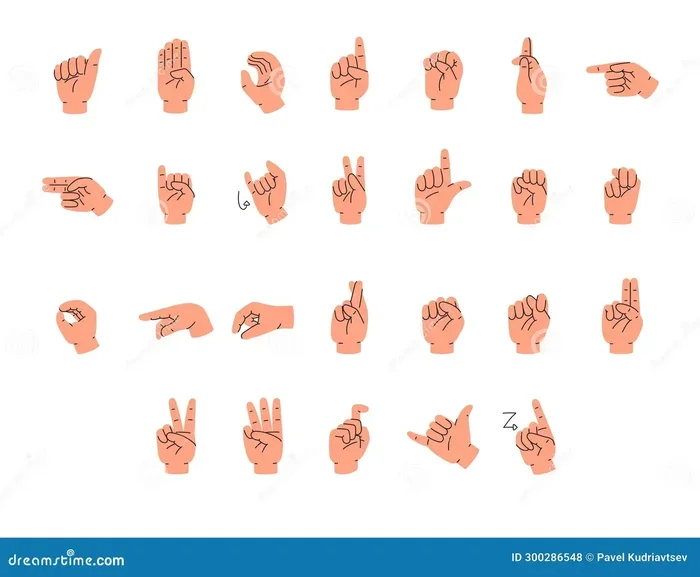

Learning to sign the N word in ASL involves finger spelling and understanding its deep cultural significance. This guide covers the correct hand movements, the history behind the sign, and why awareness matters. We also explore how meaning in sign language connects to broader language concepts.
This is a comprehensive guide about how to say the n word in sign language.
Key Takeaways
- Finger spelling is key: The N word is signed using the manual alphabet in ASL.
- Cultural context matters: Understanding the weight of this sign helps promote respect.
- Meaning goes beyond words: Signs carry emotional and historical weight in Deaf culture.
- Learn with awareness: Approaching sensitive signs requires education and empathy.
- Connection to language meaning: Exploring sign language deepens your understanding of how meaning works across all languages.
[FEATURED_IMAGE_PLACEHOLDER]
How to Say the N Word in Sign Language A Complete Guide
Sign language is a rich and expressive way to communicate. It uses hands, faces, and body movements to convey meaning without spoken words. Many people wonder about specific words and how they translate into signs. This guide walks you through how to sign the N word in ASL. We also explore why understanding the meaning behind signs is so important.
Whether you are learning ASL for personal growth, academic reasons, or to connect with the Deaf community, this guide has you covered. We will break down the finger spelling process, discuss cultural sensitivity, and share practical tips. By the end, you will have a clear understanding of this topic and why it matters in the broader world of language.
Language is all about meaning. Every word carries history, emotion, and cultural weight. This is true whether you speak, write, or sign. When you learn a sign for a sensitive word, you are not just learning a hand shape. You are engaging with a deeper layer of human communication. Understanding this helps you become a more thoughtful and respectful communicator.
Understanding Sign Language Basics
Before diving into specific signs, it helps to understand how ASL works. American Sign Language is a complete language with its own grammar and structure. It is not simply English translated into hand movements. ASL has its own syntax, idioms, and cultural nuances. This makes it a beautiful and complex system of communication.
The Manual Alphabet
Finger spelling is a core part of ASL. It uses hand shapes to represent each letter of the English alphabet. This is how you sign names, places, and words that do not have a dedicated sign. The N word is finger spelled using the manual alphabet. Each letter is formed with a specific hand shape and sequence.
Here is a quick look at how finger spelling works:
- Hand position: Your hand faces outward at shoulder height.
- Movement: You form each letter clearly and in sequence.
- Pacing: Keep a steady rhythm without rushing.
- Clarity: Each letter should be distinct and easy to read.
Finger spelling is not just about forming letters. It is about communicating meaning clearly. When you spell a word, you are asking your audience to read your hands. This requires precision and practice. Many ASL learners spend hours perfecting their finger spelling skills.
How to Sign the N Word in ASL
So how do you actually sign the N word? The answer lies in finger spelling. There is no single dedicated sign for this word in standard ASL. Instead, you spell it out letter by letter using the manual alphabet. Let us break this down step by step.
The Finger Spelling Process
To finger spell the N word, you need to know the hand shapes for each letter. Here is the sequence:
- N: Hold your hand with fingers curled into the palm, thumb between the middle and ring fingers.
- Word: Spell each letter individually — W, O, R, D.
The key is to make each hand shape clean and distinct. Your movements should be smooth but deliberate. Do not bounce or rush through the letters. A steady, clear pace makes your signing easy to follow.
Common Mistakes to Avoid
When finger spelling sensitive words, mistakes can cause confusion or offense. Here are some common errors:
- Rushing: Speeding through letters makes them hard to read.
- Unclear hand shapes: Sloppy formations lead to misreading.
- Wrong hand position: Your hand should face the viewer consistently.
- Ignoring facial expression: ASL uses facial cues to add meaning. Be mindful of your expressions.
Practice slowly at first. Use a mirror or record yourself to check your form. Over time, your finger spelling will become more natural and confident.
Why Meaning Matters in Sign Language
Every sign carries meaning beyond its literal translation. In ASL, a single sign can express complex ideas, emotions, and cultural concepts. This is why understanding the weight of words — even when signed — is so important. The N word is not just a string of letters. It carries heavy historical and emotional significance.
The Cultural Weight of Words
Words hold power. This is true in spoken language and in sign language. The N word has a painful history rooted in racism and oppression. When you sign it, even through finger spelling, you are engaging with that history. Being aware of this context shows respect for the communities affected.
In Deaf culture, communication is deeply personal. Signs and words are not just tools. They are part of identity and community. Understanding this helps you approach sensitive topics with care. It also deepens your appreciation for the meaning behind every sign you learn.
Comparing Spoken and Signed Language
How does meaning work differently in sign language compared to spoken language? Here is a simple comparison:
| Aspect | Spoken Language | Sign Language |
|---|---|---|
| Communication method | Sound and voice | Hand shapes and movements |
| Meaning delivery | Words and tone | Signs, facial expressions, body language |
| Sensitivity of words | Tone and context | Expression and context |
| Learning approach | Listening and reading | Watching and practicing |
Both forms of language carry meaning in powerful ways. The difference is in how that meaning is expressed and received. In sign language, visual cues add an extra layer of depth. This makes every sign, including finger spelled words, more impactful.
The Broader Context of Language and Meaning
Understanding how to sign sensitive words connects to a larger conversation about language and meaning. The way we use words — spoken or signed — shapes how we think and relate to others. This idea ties into broader concepts of linguistics and communication.
Have you ever thought about what gives words their power? It is the meaning we assign to them. A word becomes hurtful or healing based on context, history, and intent. In sign language, this is no different. The same applies to exploring concepts like the in situ meaning of words — how meaning changes based on context and setting.
Similarly, understanding the meaning of life connects to how we use language to express our deepest values. Language — whether spoken or signed — is a tool for sharing what matters most. Being thoughtful about the words we choose, in any form of communication, reflects our character and empathy.
Practical Tips for Learning Sensitive Signs
Learning about sensitive signs can feel uncomfortable. That is normal. The key is to approach the topic with respect and curiosity. Here are some practical tips to guide your learning journey.
1. Start With the Basics
Build a strong foundation in ASL first. Learn common signs, grammar rules, and cultural norms. This gives you the context you need to understand more sensitive topics later. A solid base makes advanced learning much easier.
2. Practice With Trusted Resources
Use reputable ASL dictionaries and educational platforms. Many Deaf educators create high-quality content that teaches signs responsibly. Look for resources that emphasize cultural awareness alongside technical skills.
3. Engage With the Deaf Community
The best way to learn is from native users. Attend Deaf events, join online communities, or connect with Deaf friends. Real-world interaction teaches you not just signs but also the meaning behind them. You will learn when and how to use certain signs appropriately.
4. Reflect on What You Learn
Take time to think about the words and signs you are learning. Ask yourself why certain terms carry weight. Reflect on how your choices as a communicator affect others. This kind of self-awareness sets thoughtful learners apart.
Common Mistakes People Make When Learning Sensitive Signs
Everyone makes mistakes when learning a new language. But some errors are more harmful than others when it comes to sensitive signs. Here are common pitfalls to watch out for.
- Using the sign casually: Treating a heavy word lightly shows disrespect.
- Ignoring context: Signs and words mean different things in different settings.
- Assuming all Deaf people feel the same way: The Deaf community is diverse in its views and experiences.
- Skipping the cultural education: Language is inseparable from culture. Both matter equally.
Avoiding these mistakes shows that you value the meaning behind communication. It also builds trust within the Deaf community and beyond.
Expert Insights on Language Sensitivity
Deaf educators and linguists often emphasize one key point: language is living. It evolves, carries history, and shapes relationships. When you learn a sign for a sensitive word, you are stepping into a space where respect and awareness matter most.
Many experts recommend approaching this topic the same way you would learn about the hair of the dog meaning or other idiomatic expressions — with curiosity and care. Understanding the origin and impact of language helps you use it wisely. The same principle applies to finger spelling and signing sensitive terms in ASL.
Remember that every interaction is a chance to show respect. Your effort to learn the right way matters more than perfection. The Deaf community appreciates learners who try with an open heart and a thoughtful mindset.
Conclusion
Learning how to sign the N word in ASL is more than a technical exercise. It is an opportunity to deepen your understanding of language, culture, and meaning. Through finger spelling, you can express any English word in ASL. But with that ability comes responsibility. The words we choose — spoken or signed — carry weight and impact.
This guide has walked you through the process step by step. You now understand the finger spelling technique, the cultural context, and the importance of sensitivity. Use this knowledge to communicate with care and respect. The world of sign language is vast and beautiful. Approach it with curiosity, humility, and a genuine desire to connect.
Keep practicing, keep learning, and keep exploring the rich tapestry of human communication. Every sign you learn brings you closer to understanding the powerful role that meaning plays in all of our lives.
How Do You Finger Spell the N Word in ASL?
You finger spell the N word using the manual alphabet. Start with the hand shape for N, then spell W-O-R-D letter by letter. Keep your hand steady and your movements clear. Practice slowly until you can sign it smoothly and confidently.
Is There a Dedicated Sign for the N Word in ASL?
No, there is no single dedicated sign. ASL uses finger spelling for words that do not have a unique sign. This applies to many English words, including sensitive ones. The meaning is conveyed through the letter sequence and context.
Why Is Cultural Sensitivity Important When Learning ASL Signs?
Sign language is deeply tied to Deaf culture and identity. Words carry historical and emotional weight. Being sensitive shows respect for the communities who use and are affected by these words. It also builds trust and meaningful connections.
Can You Use Finger Spelling for Any English Word in ASL?
Yes, finger spelling allows you to spell out any English word in ASL. It is a versatile tool for words without dedicated signs. However, always consider the context and cultural weight of the words you choose to sign.
What Other Resources Can Help Me Learn ASL Responsibly?
Look for ASL dictionaries, Deaf-led educational platforms, and community classes. Many reputable organizations offer courses that emphasize both language skills and cultural awareness. Engaging with the Deaf community directly is also incredibly valuable.
How Does the Meaning of a Sign Differ From the Meaning of a Spoken Word?
Signs in ASL combine hand shapes, movements, facial expressions, and body language. This makes meaning richer and more layered than spoken words alone. Context and expression play a bigger role in how signs are understood and felt.
Frequently Asked Questions
What is how to say the n word in sign language?
how to say the n word in sign language is an important topic with many practical applications.



