
Saying thank you in Japanese is simpler than you think. The most common phrase is arigato, but Japanese has many ways to express gratitude depending on the situation. This guide covers casual and formal thank you phrases, cultural etiquette, and practical tips so you can sound natural every time you want to say thank you in Japanese.
Have you ever wanted to thank someone in Japanese but froze because you did not know the right phrase? You are not alone. Many travelers and language learners struggle with thank you in Japanese because the language has layers of politeness and context. But here is the good news. Learning how to express gratitude in Japanese is easier than most people think.
Japanese culture places a big value on respect and kindness. When you say thank you in Japanese the right way, you show that you understand and appreciate the culture. Whether you are visiting Japan, watching anime, or talking to a Japanese friend, knowing the right phrases makes a huge difference. This guide will walk you through every way to say thank you in Japanese, from the simplest to the most formal.
Key Takeaways
- Arigato is the go-to thank you phrase: It works in most everyday situations and is understood by everyone.
- Formality matters in Japanese culture: Using the right level of politeness shows respect and cultural awareness.
- Domo and sumimasen are versatile alternatives: They fit different contexts and add variety to your Japanese vocabulary.
- Body language and tone enhance gratitude: A bow and a warm tone make your thank you feel more genuine.
- Avoid common mistakes like over-politeness: Using overly formal phrases in casual settings can feel awkward.
- Practice with real-life scenarios: Role-playing helps you internalize phrases and build confidence.
📑 Table of Contents
- Why Saying Thank You in Japanese Matters
- Common Ways to Say Thank You in Japanese
- Formal vs Casual Thank You in Japanese
- How to Pronounce Thank You in Japanese
- Body Language and Tone When Saying Thank You
- Quick Tips for Saying Thank You Like a Local
- Common Mistakes When Saying Thank You in Japanese
- Wrapping It Up
- FAQs
Why Saying Thank You in Japanese Matters
Gratitude is a core part of Japanese culture. People in Japan value politeness and humility. When you express thanks properly, you build trust and connection. It is not just about the words you say. It is about the feeling behind them.
In many Western languages, saying thank you is straightforward. But in Japanese language, there are different levels of formality. You might use one phrase with a close friend and a completely different one with a boss or elder. Understanding these differences helps you communicate respectfully and avoid awkward moments.
The in situ meaning of gratitude expressions in Japanese goes deeper than the literal translation. Each phrase carries a sense of the situation and the relationship between the people speaking. This is why learning thank you in Japanese is about more than memorizing words. It is about understanding the culture behind them.
Cultural Roots of Gratitude in Japan
Japanese expressions of thanks come from centuries of social tradition. The concept of respect in Japanese society shapes how people speak every day. When someone does something for you, even something small, there is an expectation that you will acknowledge it with gratitude.
This cultural practice shows up in daily life. A shopkeeper hands you change, a stranger holds a door, or a coworker finishes a task for you. In each case, saying thank you in Japanese properly makes the interaction feel complete and respectful. It is a small gesture that carries big meaning.
Common Ways to Say Thank You in Japanese
Let us get into the phrases. There are several ways to say thank you in Japanese, and each one fits a different situation. Here are the most common ones you will hear and use every day.
Arigato (ありがとう)
This is the most well-known thank you phrase in Japanese. Arigato is casual and friendly. You can use it with friends, family, and people your age. It works in most everyday situations like buying something at a store or thanking a classmate.
The word comes from the Japanese verb arigatai, which means rare or precious. So when you say arigato, you are really saying “this is precious to me.” That is a beautiful way to think about gratitude. It adds depth to a simple phrase.
Domo (どうも)
Domo is a short and casual way to say thanks. It is like saying “thanks” in English. You will hear it all the time in informal settings. It is quick, easy, and natural. Many Japanese people use domo when they are in a hurry or when the situation is not too serious.
You can combine domo with other phrases too. For example, domo arigato is a popular mix that adds a little more warmth to the thank you. It still stays casual but feels a bit more complete.
Sumimasen (すみません)
Here is something interesting. Sumimasen actually means “excuse me” or “I am sorry.” But many Japanese people use it to say thank you too. It is a way of expressing gratitude while also showing humility. When someone does something for you, saying sumimasen acknowledges that you owe them something.
This phrase is very versatile. You can use it to get someone attention, apologize, or express thanks. It is one of those phrases that does double duty in Japanese expressions. Once you get comfortable with it, you will hear it everywhere.
Kudasai (ください)
While kudasai literally means “please give me,” it is often used in thank you contexts. When someone hands you something or does something kind, you can say kudasai to show appreciation. It is polite and gentle, making it a great option for slightly more formal situations.
Pair kudasai with other thank you phrases for a fuller expression of gratitude. For example, saying “arigato kudasai” adds a layer of politeness to the standard arigato. This small change makes your thank you sound warmer and more considerate.
Formal vs Casual Thank You in Japanese
One of the most important things to understand about thank you in Japanese is the difference between formal and casual expressions. Using the wrong level of politeness can come across as either too stiff or too casual. Let us break this down clearly.
Casual Thank You Phrases
Casual thank you phrases are for friends, family, and people your age or younger. They are warm, relaxed, and easy to say. Here are the main ones:
- Arigato – The standard casual thank you. Simple and effective.
- Domo – Quick and easy. Perfect for everyday use.
- Arigato gozaimasen – A slightly more polished casual version.
These phrases work well in casual settings like hanging out with friends, shopping at local stores, or chatting with classmates. They feel natural and genuine.
Formal Thank You Phrases
Formal phrases are for business settings, meeting elders, or showing deep respect. Here are the key ones:
- Arigato gozaimasu – The standard formal thank you. Use this in professional or respectful settings.
- Mou shiwake gozaimasen – This means “I am deeply grateful.” It is very formal and heartfelt.
- Kansha shiteimasu – This means “I am grateful.” It works well in written communication and formal speeches.
When you are unsure which level to use, it is always safer to go with the formal option. Japanese people appreciate politeness, and they will not mind if you are slightly more formal than needed. But using a casual phrase with someone you just met can feel disrespectful.
Comparison Table: Casual vs Formal Thank You
| Phrase | Level | Best Used With | Tone |
|---|---|---|---|
| Arigato | Casual | Friends, peers | Warm, relaxed |
| Domo | Casual | Friends, quick thanks | Brief, casual |
| Arigato gozaimasu | Formal | Bosses, elders, strangers | Polite, respectful |
| Mou shiwake gozaimasen | Very Formal | Formal events, letters | Deep gratitude |
| Sumimasen | Neutral | Any situation | Humble, versatile |
Keep this table handy when you are practicing. It will help you choose the right phrase for the right moment. Over time, picking the correct level of politeness will become second nature.
How to Pronounce Thank You in Japanese
Pronunciation is key when you want to sound natural. Japanese is a phonetic language, which means words are pronounced exactly as they are written. This makes it easier than many other languages. But there are still some tips to keep in mind.
Pronunciation Tips for Arigato
Break arigato into syllables: a-ri-ga-to. Each syllable gets equal weight. Do not stress any one syllable more than the others. The “a” sounds like the “a” in “father.” The “ri” sounds like “ree.” The “ga” sounds like “gah.” And “to” sounds like “toe.”
Practice saying it slowly at first. Then speed up naturally. The rhythm of arigato flows smoothly when you get the timing right. Listen to native speakers and try to mimic their pace.
Pronunciation Tips for Sumimasen
Sumimasen breaks down into su-mi-ma-sen. The “su” sounds like “sue.” The “mi” sounds like “mee.” The “ma” sounds like “mah.” And “sen” sounds like “sen.” Keep the tone even throughout. Japanese does not use rising or falling tones the way English does.
A quick tip. When you say sumimasen, keep your voice soft and gentle. This matches the humble tone of the phrase and makes it sound more natural. Practice in front of a mirror and watch your mouth shape. This helps you get the sounds right.
Listening Practice for Better Pronunciation
One of the best ways to improve your pronunciation is to listen to Japanese media. Watch shows, listen to music, or use language apps. Pay attention to how native speakers say thank you in different situations. Try to repeat what you hear. This builds muscle memory and helps you sound more confident.
If you are learning about Japanese culture and names, you might also enjoy exploring Japanese cat names or Japanese fox names to see how language and culture connect. These topics give you a deeper feel for the beauty of the language.
Body Language and Tone When Saying Thank You
In Japanese culture, how you say thank you matters just as much as what you say. Body language and tone add layers of meaning to your words. Getting these right makes your gratitude feel genuine and respectful.
The Art of Bowing
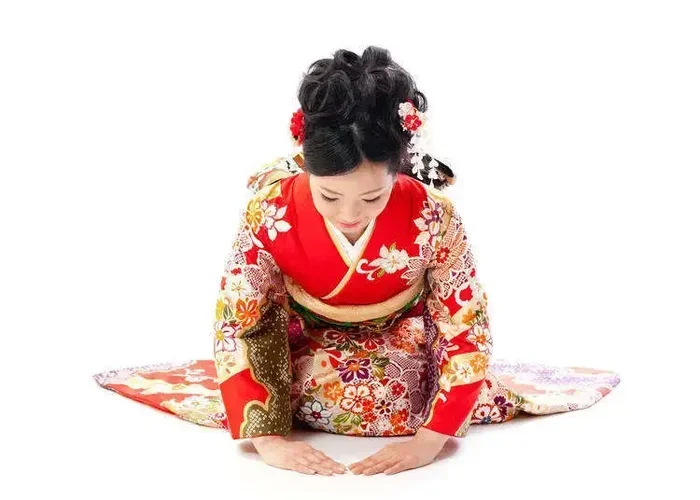
Bowing is a fundamental part of Japanese customs. When you say thank you, a slight bow shows respect. The deeper the bow, the more formal the situation. For casual thanks, a small nod or slight bow works fine. For formal settings, bow a bit deeper and hold it for a moment.
You do not need to bow perfectly. Even a small gesture goes a long way. Japanese people appreciate the effort, and it shows that you care about their culture. Practice bowing at home until it feels natural.
Smile and Eye Contact
A genuine smile makes any thank you feel warmer. In Japan, a soft smile paired with a thank you phrase creates a positive and respectful interaction. Avoid intense eye contact, though. A gentle glance is enough. Too much eye contact can feel confrontational in Japanese culture.
Your tone should be warm and sincere. Speak at a moderate pace. Do not rush through the phrase. Taking a moment to say thank you properly shows that you mean it. This small act of mindfulness makes a big impression.
Quick Tips for Saying Thank You Like a Local
Want to sound more natural when you say thank you in Japanese? Here are some quick tips that make a real difference.
- Match the formality level to the situation. Casual with friends, formal with strangers and elders.
- Practice daily. Say your chosen thank you phrase out loud every day. Repetition builds confidence.
- Watch Japanese shows and movies. Pay attention to how characters say thank you in different contexts.
- Use a polite tone. Soft and gentle voices are preferred in Japanese communication.
- Pair words with gestures. A small bow or a smile adds authenticity to your thank you.
- Do not overthink it. Japanese people are forgiving and appreciate any effort you make to speak their language.
These tips are simple but powerful. They help you move beyond just memorizing phrases and into actually using them with confidence. The more you practice, the more natural it will feel.
Common Mistakes When Saying Thank You in Japanese
Everyone makes mistakes when learning a new language. But some common errors can cause confusion or even offense. Here are the ones to watch out for.
Using Too Formal a Phrase in Casual Settings
This is the most common mistake. Using a very formal thank you phrase with a close friend can feel stiff and awkward. It is like wearing a suit to a casual barbecue. Save the formal phrases for formal situations.
Ignoring the Cultural Context
Every phrase has a cultural context. Sumimasen, for example, can mean “thank you,” “sorry,” or “excuse me” depending on the situation. Using it without understanding its flexibility can lead to misunderstandings. Take time to learn the nuances of each phrase.
Forgetting to Bow or Use Gestures
Words alone are not enough in Japanese culture. A thank you without any gesture can feel incomplete. Even a small nod adds warmth and respect to your words. Make gestures a habit when you practice.
Overusing One Phrase
Using the same thank you phrase for every situation can make your Japanese sound flat. Try to vary your expressions. Mix arigato, domo, sumimasen, and other phrases to sound more natural and engaging.
Wrapping It Up
Learning how to say thank you in Japanese opens doors to deeper connections and richer cultural experiences. From the simple arigato to the formal arigato gozaimasu, each phrase carries its own weight and meaning. The key is to match your phrase to the situation and to pair your words with genuine warmth and respect.
Remember, no one expects perfection. Japanese people value the effort you put into learning their language and culture. Every time you say thank you in Japanese, you are showing that you care. And that is what gratitude is all about, in any language. Keep practicing, stay curious, and enjoy the journey of expressing thank you in Japanese like a true local.
FAQs
What is the easiest way to say thank you in Japanese for beginners?
Start with arigato. It is simple, widely understood, and works in most casual situations. Once you feel comfortable, you can add domo and sumimasen to your toolkit. These three phrases cover the majority of everyday thank you moments.
Is it rude to use casual thank you phrases with strangers?
It can be seen as slightly disrespectful. When speaking with strangers, elders, or people in professional settings, it is best to use formal phrases like arigato gozaimasu. This shows that you understand and respect social norms in Japanese culture.
Can sumimasen mean thank you?
Yes, it can. While sumimasen primarily means “excuse me” or “I am sorry,” it is commonly used to express gratitude in Japanese. It carries a humble tone that works well when you want to acknowledge someone kindness while showing you feel slightly indebted.
How do Japanese people say thank you in writing?
In written communication, formal phrases like kansha shiteimasu or moushiwake gozaimasen are common. Emails and letters in Japanese tend to use more polite language. Always match the formality level of your writing to the relationship you have with the recipient.
Do Japanese people say thank you as often as English speakers?
Not always. Japanese culture sometimes expresses gratitude through actions rather than words. A bow, a small gift, or helping someone in return can be a way of saying thank you without using any phrase at all. This makes the verbal thank you feel even more meaningful when it is used.
What is the difference between arigato and domo?
Arigato is a full thank you phrase, while domo is a shorter, more casual version. Think of domo as “thanks” and arigato as “thank you.” Domo works best in quick, informal moments, while arigato is a more complete expression of gratitude that fits a wider range of situations.