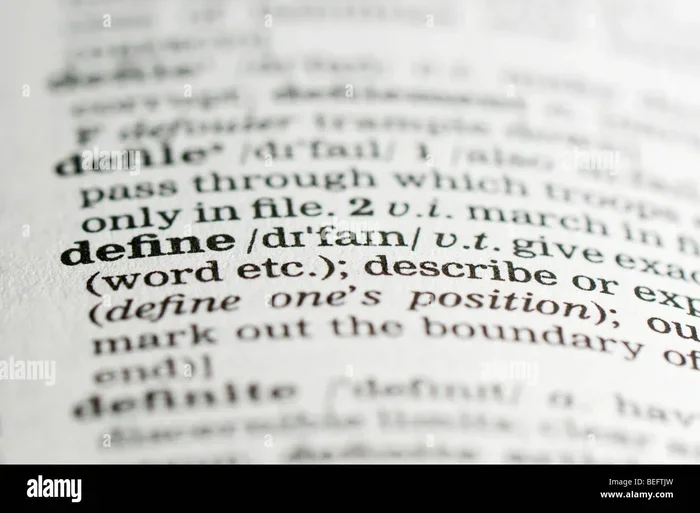

Denotative meaning is the literal, dictionary definition of a word — the most basic and direct interpretation. This guide breaks down everything you need to know about denotative meaning, including how it differs from connotation, real-world examples, and practical tips for clearer communication. By the end, you will understand why literal word definitions form the foundation of effective writing and everyday language.
Have you ever stopped to think about what a word actually means? Not what it suggests or implies, but what it literally means? That is the heart of denotative meaning. It is the straightforward, dictionary-style definition of a word — the plain, factual interpretation that leaves no room for guessing.
Understanding denotative meaning is one of the most overlooked skills in communication. Whether you are a student writing an essay, a professional drafting an email, or someone who simply wants to express ideas more clearly, knowing the literal meaning of words gives you a powerful advantage. This guide will walk you through everything you need to know, from the basics to real-world examples and practical tips you can use today.
Key Takeaways
- Denotative meaning is the literal definition: It is the basic, dictionary meaning of a word, free from emotional or cultural associations.
- It differs from connotation: While denotation is what a word literally means, connotation carries the feelings and ideas attached to it.
- Denotative meaning matters in writing: Using words for their literal definitions reduces confusion and improves clarity.
- Context shapes interpretation: Even denotative meanings can shift slightly depending on how and where a word is used.
- Common mistakes include confusion with connotation: Mixing up literal and implied meanings leads to miscommunication.
- Mastering denotative meaning improves communication: It helps writers, students, and professionals express ideas more precisely.
📑 Table of Contents
- What Is Denotative Meaning?
- Denotative Meaning vs. Connotative Meaning
- Why Denotative Meaning Matters
- Examples of Denotative Meaning in Everyday Language
- How Denotative Meaning Shapes Communication
- Common Mistakes People Make With Denotative Meaning
- Tips for Using Denotative Meaning Effectively
- Conclusion
What Is Denotative Meaning?
At its core, denotative meaning refers to the explicit, direct definition of a word. When you look up a word in the dictionary and find its standard definition, that is the denotative meaning. It is the primary meaning that most people agree on, regardless of their personal feelings or cultural background.
For example, the word “house” has a denotative definition of a building where people live. That is it. No extra feelings, no hidden messages — just the basic, factual description. This is what makes denotative meaning so reliable. It is the shared, agreed-upon foundation of language.
In linguistics, denotative meaning is sometimes called “lexical meaning” or “signified meaning.” These terms all point to the same idea: the actual, dictionary-style definition that a word carries. It is the starting point for any discussion about language, because without a shared literal definition, communication would fall apart.
How Denotative Meaning Works in Practice
Let us look at a simple example. The word “cold” has a denotative meaning of having a low temperature. If you say, “The water is cold,” the listener understands that the water has a low temperature. There is no ambiguity. That is the power of literal interpretation.
Now compare that with the word “dog.” Its denotative definition is a domesticated canine animal. When you use the word “dog” in a sentence, the listener pictures a four-legged pet — not a wolf, not a cat, not a toy. The denotative meaning gives everyone a common reference point.
This is why denotative meaning is so important in fields like law, science, and journalism. In these areas, precision matters. Using words for their explicit meaning ensures that everyone is on the same page and that messages are not misunderstood.
Denotative Meaning vs. Connotative Meaning
The easiest way to understand denotative meaning is to compare it with its opposite: connotative meaning. While denotation is the literal definition, connotation is the emotional or cultural association a word carries. Both are essential parts of language, but they serve very different purposes.
Think of it this way. The word “cheap” has a denotative meaning of low cost. But its connotation can suggest low quality or something that feels tacky. On the other hand, the word “affordable” also has a denotative meaning of low cost, but its connotation is positive — it suggests value and smart choices. Same literal definition, very different feelings attached.
Here is another example. The word “childish” literally means behaving like a child — that is its denotative meaning. But its connotation is almost always negative, implying immaturity. Meanwhile, “youthful” shares a similar denotation but carries a positive connotation of energy and freshness.
This contrast between literal meaning and implied meaning is at the heart of effective communication. Skilled writers and speakers know when to rely on denotation for clarity and when to lean on connotation for emotional impact.
A Quick Comparison Table
| Aspect | Denotative Meaning | Connotative Meaning |
|---|---|---|
| Definition | Literal, dictionary definition | Emotional or cultural associations |
| Nature | Objective and factual | Subjective and personal |
| Example Word | “Home” — a place where one lives | “Home” — warmth, safety, belonging |
| Used In | Technical writing, dictionaries, law | Poetry, marketing, everyday speech |
| Stability | Stays the same across contexts | Can change based on culture or tone |
| Clarity | High — leaves little room for confusion | Lower — depends on the listener’s experience |
Understanding the difference between denotative meaning and connotative meaning is a game-changer. It helps you choose the right word for the right situation and avoid miscommunication.
Why Denotative Meaning Matters
You might wonder why something as basic as a dictionary definition deserves so much attention. The answer is simple: denotative meaning is the backbone of clear communication. Without it, language would be a chaotic mix of emotions and personal interpretations.
When you write a technical manual, a contract, or a set of instructions, you need words to mean exactly what they say. The denotative definition provides that certainty. If a recipe says “bake at 350 degrees,” you do not want the word “bake” to carry any hidden connotations. You want its literal meaning — to cook food in an oven at a specific temperature.
In everyday life, denotative meaning helps prevent misunderstandings. When someone says “I need five minutes,” the denotative meaning is clear: they need a short period of time. The listener does not wonder if it means five minutes or five hours. The explicit meaning removes doubt.
The Role of Denotative Meaning in Education
Students who understand denotative meaning perform better in reading comprehension and standardized tests. When they encounter unfamiliar words, they can rely on the dictionary definition to grasp the basic idea before exploring deeper layers of meaning.
Teachers often emphasize literal interpretation in early education because it builds a strong foundation. Once students master the basic definitions, they can then explore the richer, more nuanced world of connotation and figurative language.
Denotative Meaning in Professional Settings
In the workplace, denotative meaning is essential for clear emails, reports, and presentations. Ambiguity costs businesses time and money. When instructions are written with precise literal definitions, team members understand their tasks without confusion.
Marketing professionals also rely on denotative meaning when crafting product descriptions. Customers need to know exactly what they are buying. A product labeled “waterproof” must meet the denotative definition — it must resist water. If it fails that basic standard, trust is lost.
Examples of Denotative Meaning in Everyday Language
The best way to grasp denotative meaning is through examples. Let us look at common words and phrases and explore their literal definitions.
Everyday Words and Their Denotative Definitions
- “Book”: A written or printed work consisting of pages glued or sewn together. The denotative meaning is simply a physical object made of pages.
- “Hot”: Having a high temperature. When you touch a hot stove, the literal meaning is clear — it is at a high degree of heat.
- “Friend”: A person whom one knows and with whom one has a bond of mutual affection. The denotative definition focuses on the relationship, not the depth of feelings.
- “Run”: To move at a speed faster than a walk. The denotative meaning of “run” is purely about physical movement.
- “Bright”: Giving off or reflecting much light. A bright lamp means it produces a lot of light — nothing more, nothing less.
Notice how each of these examples sticks to the primary meaning found in a dictionary. There are no emotional layers, no cultural baggage — just the straightforward definition.
Denotative Meaning in Sentences
Let us put these words into sentences to see how denotative meaning works in context:
- “She ran to the store.” — Here, “ran” means she moved quickly on foot. The literal interpretation is clear and direct.
- “The room was bright.” — This tells us the room had a lot of light. The denotative definition is satisfied by this sentence.
- “He is my friend.” — This states a relationship. The explicit meaning is that these two people know each other and share affection.
In each case, the denotative meaning carries the core message. The reader or listener does not need to guess or interpret — the word sense is direct and unambiguous.
How Denotative Meaning Shapes Communication
Denotative meaning does more than define individual words. It shapes the entire way we communicate. From casual conversations to formal writing, the literal meaning of words determines whether our messages land correctly.
When you use words for their denotative definition, you reduce the risk of misinterpretation. This is especially important in cross-cultural communication, where connotations can vary wildly. A word that feels positive in one culture might carry a negative connotation in another. But the denotative meaning stays the same — it is the universal baseline.
Denotative Meaning and Word Choice
Your choice of words directly affects how your message is received. When you pick words with clear denotative meanings, your writing becomes more accessible. Readers do not have to decode hidden meanings or navigate emotional undertones.
For instance, consider the difference between “slim” and “thin.” Both words share a similar denotative meaning — they describe a narrow body shape. But “slim” carries a positive connotation, while “thin” can feel negative. By understanding this distinction, you can choose the word that best fits your intended message.
The Connection Between Denotative Meaning and Semantics
Semantics is the study of meaning in language. Denotative meaning is a core concept within semantics because it represents the most basic layer of word meaning. Linguists study how semantic meaning develops, shifts, and interacts with other layers of interpretation.
When you explore semantic fields — groups of related words — you see how denotative meanings cluster together. Words like “happy,” “joyful,” and “cheerful” all share a similar denotation of positive emotion. Understanding these connections helps you build richer, more precise vocabulary.
Common Mistakes People Make With Denotative Meaning
Even though denotative meaning seems straightforward, people still make mistakes when using it. Being aware of these pitfalls helps you communicate more effectively.
Confusing Denotation with Connotation
The most common mistake is mixing up the literal meaning of a word with its emotional associations. Remember, denotation is the dictionary definition, while connotation is the feeling attached to it. When you confuse the two, your message can become unclear or even offensive.
Assuming Denotative Meaning Never Changes
While denotative meaning is more stable than connotation, it can still shift over time. Words evolve. The denotative definition of “awful” used to mean “full of awe,” but today it means “very bad.” Staying aware of these changes helps you use words accurately.
Overlooking Context
Even though denotative meaning is literal, context still matters. The word “bank” can refer to a financial institution or the side of a river. Both are denotative definitions, but the correct one depends entirely on the context of the sentence.
Tips for Using Denotative Meaning Effectively
Now that you understand denotative meaning inside and out, here are some practical tips to help you apply it in your daily communication.
1. Keep a Personal Dictionary
Write down new words along with their denotative definitions. Review them regularly. This simple habit builds your vocabulary and sharpens your understanding of literal word definitions.
2. Read Widely and Often
Reading exposes you to how different authors use words for their primary meanings. Technical books, news articles, and instructional guides are excellent sources of clear denotative language.
3. Ask Yourself: “What Does This Word Literally Mean?”
Before you use a word, pause and consider its denotative meaning. Does it match the idea you want to express? This small habit dramatically improves the clarity of your writing.
4. Use a Dictionary, Not Just Your Gut
When in doubt, look it up. The dictionary meaning of a word is its denotative definition. Trusting the dictionary over your assumptions keeps your language precise and accurate.
5. Practice Explaining Words in Simple Terms
Try explaining the denotative meaning of complex words in your own simple language. If you can do it clearly, you truly understand the word. This exercise builds confidence and sharpens your language interpretation skills.
Conclusion
Denotative meaning is the foundation of clear, effective communication. It gives us the shared, literal definitions that allow us to understand each other without confusion. From everyday conversations to professional writing, the denotative definition of words keeps our messages precise and reliable.
By understanding the difference between denotative meaning and connotation, you gain a deeper appreciation for how language works. You become a more thoughtful writer, a clearer speaker, and a more confident communicator. The next time you pick up a pen or start a conversation, remember the power of literal interpretation — it might just change the way you express yourself forever.
Start paying attention to the denotative meaning of the words you use every day. You will be surprised at how much clearer your messages become. And that is a skill worth building for life.
Frequently Asked Questions
What is the difference between denotative meaning and connotative meaning?
Denotative meaning is the literal, dictionary definition of a word, while connotative meaning refers to the emotional or cultural associations a word carries. Denotation is objective and factual, whereas connotation is subjective and varies from person to person.
Why is denotative meaning important in writing?
Denotative meaning ensures clarity and precision in writing. When you use words for their literal definitions, your readers understand exactly what you mean without confusion. This is especially important in technical, academic, and professional writing.
Can the denotative meaning of a word change over time?
Yes, denotative meanings can evolve as language develops. New definitions get added to dictionaries, and some old definitions fall out of use. Staying updated with current dictionary definitions helps you use words accurately.
How can I improve my understanding of denotative meaning?
Read widely, keep a personal vocabulary journal, and always refer to a reliable dictionary. Practicing literal interpretation of words in everyday sentences is one of the best ways to build your skills.
Is denotative meaning the same as the primary meaning of a word?
Yes, denotative meaning is essentially the primary meaning or the most widely accepted definition of a word. It is the baseline interpretation that most speakers and writers agree upon.
Does context affect denotative meaning?
While denotative meaning is stable, context helps determine which denotative definition applies when a word has multiple meanings. For example, the word “bark” has different denotations depending on whether it refers to a tree or a dog.