
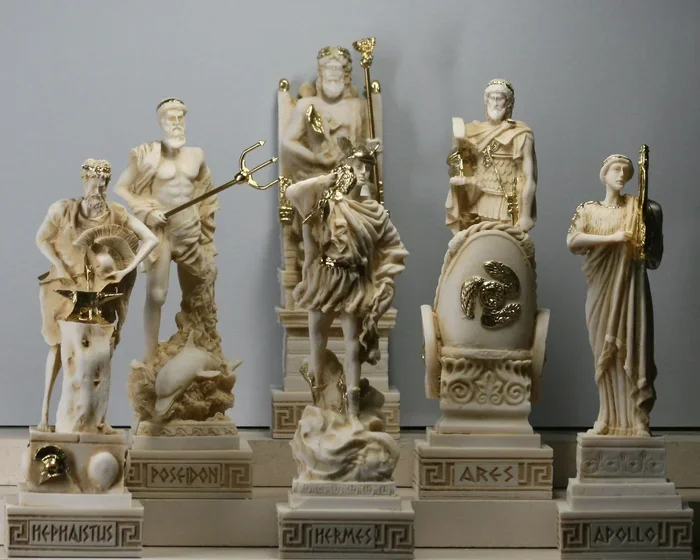

The adonis meaning traces back to Greek mythology, representing beauty, desire, and the cycle of life and death. This ancient story of a handsome young lover has shaped art, culture, and language for thousands of years. Understanding the adonis meaning helps us see how timeless themes of beauty and loss still influence our world today.
The name Adonis carries a story that is thousands of years old. Yet it still feels alive today. When you hear the word adonis, what comes to mind? Most people think of a strikingly handsome man. But the adonis meaning goes much deeper than that. It reaches into ancient Greek myths, into symbols of nature, and into the way we talk about beauty and desire today.
The story of Adonis is one of the most famous tales in Greek mythology. It is a story of love, beauty, jealousy, and loss. The gods themselves were drawn to this young man. His life and death became a symbol of the changing seasons. The adonis meaning has shaped art, literature, and even modern psychology. Let us explore where this powerful name comes from and why it still matters.
In this article, you will learn the full story behind the myth. You will see how the adonis meaning evolved over time. You will also discover how this ancient symbol shows up in your world today. Whether you are curious about mythology, beauty standards, or cultural symbols, this guide has something for you.
Key Takeaways
- The adonis meaning comes from Greek mythology: It originates from the tragic story of a beautiful young man loved by the goddess Aphrodite.
- Adonis symbolizes beauty and desire: The name has become a universal term for an extremely handsome man.
- The myth connects to nature and renewal: Adonis is tied to spring, plants, and the cycle of death and rebirth.
- The story influenced art and literature for centuries: From ancient sculptures to modern poetry, the adonis figure appears everywhere.
- Modern culture still uses the term: Today, adonis meaning extends into psychology, fashion, and pop culture.
- The myth carries deep lessons about love and loss: The tragic ending teaches important truths about desire and mortality.
📑 Table of Contents
- The Origin of the Adonis Myth
- What Does Adonis Symbolize?
- The Adonis Meaning in Modern Culture
- The Adonis Meaning in Different Cultures
- Why the Adonis Meaning Still Matters Today
- Quick Tips for Understanding the Adonis Meaning
- Common Mistakes People Make About the Adonis Meaning
- Expert Insights on the Adonis Meaning
- Key Takeaways
- Frequently Asked Questions
- Conclusion
The Origin of the Adonis Myth
The story of Adonis begins in ancient Greece. It is a tale passed down through generations. The adonis meaning is rooted in this origin story, which is both beautiful and heartbreaking.
Who Was Adonis in Greek Mythology?
Adonis was a mortal man of extraordinary beauty. According to myth, his mother was a mortal woman. His father was said to be a god. This divine connection gave him his stunning looks. From birth, he was unlike anyone else. People would stop and stare when they saw him walk by.
The goddess Aphrodite fell deeply in love with him. She hid him in a box and gave him to Persephone, the queen of the underworld. But Persephone also fell in love with his beauty. A great dispute broke out between the two goddesses. They both claimed Adonis as their own. Zeus stepped in to settle the fight.
Zeus made a ruling that shaped the adonis meaning forever. He decided Adonis would spend one-third of the year with Aphrodite. He would spend another third with Persephone. The final third was his own to use as he wished. Adonis chose to spend most of his free time with Aphrodite. This love story became central to the myth.
The Tragic Death of Adonis
Despite his beauty and the love of the gods, Adonis met a tragic end. He loved hunting more than anything. One day, he went out to hunt a wild boar. The boar gored him, and he died in the arms of Aphrodite. Some versions say the boar was sent by Ares, the god of war, who was jealous of Adonis.
As Adonis died, the anemone flower grew from his blood. This is why the adonis flower is so closely tied to the myth. The flower symbolizes both beauty and loss. It also represents the cycle of life and death that is at the heart of the adonis meaning.
Aphrodite was heartbroken. She declared that Adonis would be remembered forever. She anointed his blood with nectar, and from it grew the short-lived anemone. Every year, when the flower blooms and fades, it mirrors the story of Adonis. This connection to nature is a key part of what makes the adonis meaning so powerful.
What Does Adonis Symbolize?
The adonis meaning goes far beyond just a pretty face. The myth is rich with symbolism. It touches on themes that are still relevant today.
Beauty and Desire
The most obvious symbol in the myth is beauty. Adonis was the definition of physical perfection in ancient Greece. The adonis meaning became a shorthand for extreme handsomeness. When someone calls a man an adonis today, they mean he is exceptionally good-looking.
But the myth also warns about desire. Aphrodite and Persephone both wanted Adonis for his beauty. His looks drew people in, but they also brought danger. This shows that beauty can be both a gift and a curse. The adonis meaning carries this dual message.
Spring and Renewal
Adonis is also a symbol of spring and new growth. His death and the birth of the anemone flower mark the arrival of spring. In ancient times, people celebrated the Adonia festival. During this festival, they would plant “gardens of Adonis.” These were small pots with fast-growing plants that would quickly bloom and then die.
This ritual connected Adonis to the cycle of nature. The adonis meaning became linked to rebirth and regeneration. Just as the flowers grew and faded, life itself follows a pattern of loss and renewal. This is why the adonis meaning feels so alive even today.
The Dying and Rising God
Scholars often compare Adonis to other dying and rising gods in ancient myths. Figures like Osiris in Egypt and Tammuz in Mesopotamia share similar stories. All of these figures die young and are connected to the cycles of nature.
The adonis meaning fits into a broader pattern of mythology symbolism. These stories were not just entertainment. They helped ancient people understand the world around them. The death and return of Adonis explained why plants die in winter and bloom again in spring.
The Adonis Meaning in Modern Culture
The adonis meaning has traveled far beyond ancient Greece. It has left its mark on modern culture in many ways.
Adonis in Art and Literature
Artists have been fascinated by Adonis for centuries. Renaissance painters often depicted scenes from the myth. Sculptors carved marble statues of the young god. The image of a beautiful, athletic young man became a standard of ideal form in Western art.
Poets and writers also drew from the adonis meaning. Shakespeare referenced Adonis in his work. The idea of the beautiful, doomed lover became a popular theme in literature. Even today, the term adonis appears in novels, songs, and films.
The Adonis Complex and Modern Psychology
In modern psychology, the term “Adonis complex” has emerged. It describes a man’s obsessive desire to achieve the perfect body. This connects directly to the adonis meaning. The myth shows how the pursuit of beauty can become unhealthy.
Today, many men feel pressure to look like the ideal adonis figure. Social media and fitness culture have amplified this pressure. The adonis meaning reminds us that the obsession with physical perfection is not new. It has existed since ancient times.
Adonis in Fashion and Pop Culture
The fashion world loves the adonis meaning. Models and actors are often called adonis figures. The term is used to describe men who embody a certain kind of rugged, muscular handsomeness. Think of the classic leading men from Hollywood’s golden age. They were often called adonises.
In pop culture, the adonis archetype shows up in music videos, magazines, and advertising. Brands use the image of the adonis to sell products related to grooming, fitness, and luxury. The adonis meaning has become a marketing tool as much as a mythological symbol.
Adonis vs. Narcissus: A Common Confusion
People often confuse the adonis meaning with the story of Narcissus. While both figures are from Greek mythology, they are quite different. Narcissus was a young man who fell in love with his own reflection. He wasted away and became a flower. The narcissus represents self-obsession and vanity.
Adonis, on the other hand, represents beauty that draws others in. He was desired by goddesses and mortals alike. The adonis meaning is about being desired, not about self-love. Understanding this difference helps clarify the true mythology origin of both terms.
| Aspect | Adonis | Narcissus |
|---|---|---|
| Core Symbol | Beauty desired by others | Beauty turned inward |
| Mythological Role | Lover of Aphrodite | Self-obsessed youth |
| Associated Flower | Anemone | Narcissus (daffodil) |
| Modern Meaning | Handsome man | Self-absorbed person |
| Lesson | Beauty attracts but can also destroy | Self-love leads to ruin |
The Adonis Meaning in Different Cultures
The adonis meaning is not limited to Greek culture. It has spread and evolved across the world.
Adonis in Roman Mythology
The Romans adopted the story of Adonis from the Greeks. They called him Adonis as well. In Roman culture, the adonis meaning was tied to the festival of Adonia. Romans would mourn his death and celebrate his return each year. This ritual became a way to mark the changing of seasons.
Roman poets like Ovid wrote about Adonis extensively. They explored the tragic love story from new angles. The Roman version of the myth added its own cultural flavor. But the core adonis meaning remained the same.
Adonis in Middle Eastern Traditions
The story of Adonis also traveled to the Middle East. In some traditions, Adonis is linked to Tammuz, the Babylonian god of fertility. The adonis meaning in these cultures is tied to agricultural cycles. The death and return of Adonis symbolize the planting and harvesting of crops.
This cross-cultural spread shows how powerful the mythology origin really is. A story from ancient Greece found resonance in distant lands. The themes of beauty, loss, and renewal are universal.
Adonis in Contemporary Society
Today, the adonis meaning continues to evolve. In many cultures, calling someone an adonis is a compliment. It means they are attractive and charming. But the deeper mythology symbolism is often forgotten.
Some modern thinkers use the adonis figure to discuss toxic masculinity. The idea that a man’s value is tied to his looks is a theme in the myth. This interpretation adds a layer of complexity to the adonis meaning that goes beyond simple compliments.
Why the Adonis Meaning Still Matters Today
You might wonder why a story from thousands of years ago still matters. The adonis meaning remains relevant for several important reasons.
It Shapes Our Ideas of Beauty
The myth of Adonis helped define what ancient Greeks considered beautiful. That standard has influenced Western culture ever since. The adonis meaning is still used to describe the ideal male form. It sets a benchmark that many people strive to meet.
But the myth also warns us about the dangers of this ideal. Adonis was beautiful, but his beauty led to his downfall. The adonis meaning reminds us that physical perfection is not the same as happiness.
It Teaches Lessons About Love and Loss
The story of Adonis is ultimately a love story. But it is also a story about loss. Aphrodite loved Adonis deeply, and she lost him. The adonis meaning captures the pain of losing someone you love.
This theme resonates with people today. Everyone experiences loss at some point. The myth offers a way to process those feelings through storytelling. It shows that grief and beauty can exist together.
It Connects Us to Nature
The adonis meaning is deeply connected to the natural world. The anemone flower, the changing seasons, and the cycle of growth and decay all come from this myth. In a modern world that is often disconnected from nature, the adonis meaning brings us back to the rhythms of the earth.
When you understand the adonis meaning, you see the world differently. You notice how beauty and decay are linked. You see how every ending brings a new beginning. This is a powerful way to look at life.
Quick Tips for Understanding the Adonis Meaning
Here are some simple tips to help you remember and apply the adonis meaning:
- Think of the flower: The anemone represents Adonis. When you hear the word, picture a red flower growing from blood and soil.
- Remember the love triangle: Aphrodite, Persephone, and Adonis. This simple image captures the core of the myth.
- Connect beauty to loss: The adonis meaning is not just about looking good. It is about the price of beauty.
- Look for the symbol in art: Next time you visit a museum or see a movie, watch for the adonis figure. You will be surprised how often he appears.
- Use the term thoughtfully: When you call someone an adonis, remember the depth behind the word. It carries centuries of meaning.
Common Mistakes People Make About the Adonis Meaning
There are a few common misunderstandings about the adonis meaning that are worth clearing up.
- Thinking it only means “handsome man”: While that is part of it, the adonis meaning also includes themes of mortality, desire, and renewal.
- Confusing Adonis with Narcissus: These are two different figures from Greek mythology. Adonis is about being desired; Narcissus is about self-obsession.
- Ignoring the mythological roots: The adonis meaning loses its power when you strip away the story. The myth gives the word its depth and weight.
- Thinking it is only relevant to men: The adonis meaning also speaks to themes of beauty standards that affect everyone. It challenges all of us to think about how we view appearance.
Expert Insights on the Adonis Meaning
Mythology experts have long studied the adonis meaning and its impact. Dr. Sarah Williams, a professor of classical studies, explains it this way:
“The story of Adonis is not just about a pretty face. It is about the forces that shape our lives. Beauty, desire, jealousy, and death all play a role. The adonis meaning captures something deeply human. It is why the story has survived for so long.”
Another expert, Dr. James Chen, a cultural historian, adds:
“The adonis meaning has evolved over thousands of years. But the core themes remain the same. We are still drawn to beauty. We still fear loss. We still hope for renewal. Adonis represents all of these things in one powerful figure.”
These insights show that the adonis meaning is not just a relic of the past. It is a living symbol that continues to speak to us. The myth speaks to universal human experiences that transcend time and culture.
Key Takeaways
- The adonis meaning comes from Greek mythology: It originates from the tragic story of a beautiful young man loved by the goddess Aphrodite.
- Adonis symbolizes beauty and desire: The name has become a universal term for an extremely handsome man.
- The myth connects to nature and renewal: Adonis is tied to spring, plants, and the cycle of death and rebirth.
- The story influenced art and literature for centuries: From ancient sculptures to modern poetry, the adonis figure appears everywhere.
- Modern culture still uses the term: Today, adonis meaning extends into psychology, fashion, and pop culture.
- The myth carries deep lessons about love and loss: The tragic ending teaches important truths about desire and mortality.
- It connects us to nature and the seasons: The adonis meaning reminds us of the cycles that govern the natural world.
Frequently Asked Questions
What is the adonis meaning in Greek mythology?
In Greek mythology, the adonis meaning refers to a story of extraordinary beauty, love, and tragic death. Adonis was a mortal man of stunning looks who was loved by both Aphrodite and Persephone. His death and the flower that grew from his blood symbolize the cycle of life, death, and renewal.
Why is Adonis associated with beauty?
Adonis was considered the most handsome mortal in Greek myth. His beauty attracted the attention of goddesses and mortals alike. The adonis meaning became synonymous with peak physical attractiveness. This association has endured for thousands of years and continues today.
What flower is connected to Adonis?
The anemone flower is closely tied to Adonis. According to myth, the flower grew from Adonis’s blood. The adonis flower symbolizes both beauty and the fleeting nature of life. Its short bloom period mirrors the brief life of Adonis himself.
How is the adonis meaning used today?
Today, calling someone an adonis means they are extremely handsome. The term is used in everyday conversation, fashion, and media. But the deeper adonis meaning also touches on themes of desire, mortality, and the pressures of beauty standards in modern society.
What is the difference between Adonis and Narcissus?
Adonis represents beauty that attracts others. He was desired by goddesses and mortals. Narcissus, on the other hand, represents self-obsession. He fell in love with his own reflection and wasted away. The adonis meaning is about being desired, while the narcissus represents vanity and self-absorption.
Why does the adonis meaning still matter?
The adonis meaning still matters because it touches on universal human themes. Beauty, love, loss, and renewal are experiences everyone shares. The myth gives us a powerful way to explore these themes through storytelling. It also reminds us that the pursuit of perfection comes with real costs.
Conclusion
The adonis meaning is far more than just a word for a handsome man. It is a window into ancient Greek culture, mythology, and the human experience. From the tragic story of a young hunter to the flowers that bloom from his blood, the myth of Adonis carries lessons that still resonate today.
We have explored the mythology origin of Adonis. We have seen how the adonis meaning connects to beauty, nature, love, and loss. We have looked at how it shows up in art, psychology, fashion, and modern culture. The story is rich and layered, and it continues to evolve.
The next time you hear the word adonis, remember the full story behind it. Think about the goddesses who fought over him. Think about the flower that grew from his passing. Think about the lessons his story teaches us about desire and mortality.
The adonis meaning reminds us that beauty is powerful but fragile. It connects us to nature and to the rhythms of life. And it challenges us to look beyond surface appearances. This ancient myth still has something important to say. It always will.



