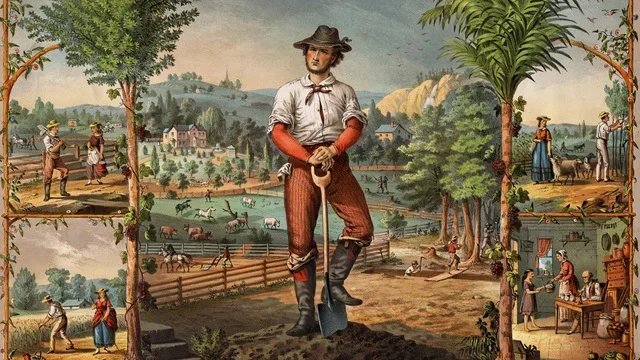

The yeoman meaning refers to a free landowner of modest means, a trusted warrior, or a dedicated public servant throughout history. This term carries deep roots in medieval England and has evolved into a symbol of loyalty, hard work, and self-reliance. Understanding the yeoman meaning helps us appreciate how this role shaped society, military history, and even modern culture.
Have you ever come across the word “yeoman” and wondered what it really means? You are not alone. Many people see this term and feel confused. The yeoman meaning is richer and more fascinating than most people realize.
A yeoman was much more than just a farmer or a soldier. This role carried real weight in medieval society. It represented a class of people who worked hard, owned their land, and served with honor. Today, the yeoman definition still holds lessons about duty, loyalty, and self-reliance.
In this article, we will dig deep into the yeoman meaning. We will explore where the word came from, what yeomen did, and why this role still matters. You will learn about yeomen in war, yeomen in royal courts, and how the yeoman tradition shaped the world we live in today. Let us get started.
Key Takeaways
- Yeoman definition: A yeoman was a free farmer or landowner who held modest property and served their community or lord with dedication.
- Historical roots: The yeoman role dates back to medieval England and played a key part in shaping the social and military structure of the time.
- Yeoman of the Guard: This elite royal bodyguard unit still exists today, showing the lasting legacy of the yeoman tradition.
- Modern relevance: The yeoman spirit lives on in values like self-reliance, duty, and service that many people admire today.
- Common confusion: Many people confuse yeoman with other historical roles like knight or squire, but yeomen held a unique middle-class position.
- Cultural impact: The yeoman meaning extends into literature, idioms, and even modern workplace language like “yeoman service.”
📑 Table of Contents
- What Does Yeoman Mean? A Clear Definition
- The Historical Origins of the Yeoman
- Yeomen in Royal Service: The Yeoman of the Guard
- The Yeoman Meaning in Modern Times
- Common Mistakes People Make About the Yeoman Meaning
- Quick Tips for Remembering the Yeoman Meaning
- Expert Insights on the Yeoman Tradition
- The Yeoman Meaning and Its Lasting Legacy
What Does Yeoman Mean? A Clear Definition
The yeoman meaning has shifted slightly over the centuries. But at its core, a yeoman was a free man who owned land and worked it himself. He was not a nobleman. He was not a serf or a peasant tied to someone else’s estate. A yeoman stood in the middle. He owned his property and answered to no landlord.
In simple terms, the yeoman definition describes a person of modest but independent means. This person farmed his own land, provided for his family, and often served a lord or a king when needed. The word comes from the Middle English term “yoman,” which itself may have roots in Old English.
The Social Class of a Yeoman
Understanding the yeoman meaning also means understanding where yeomen fit in the social ladder. In medieval England, society was divided into clear layers. At the top sat the nobility and royalty. Below them were the knights and lords. Then came the yeomen. After yeomen came the cottagers and laborers at the bottom.
Yeomen occupied a unique middle ground. They were not wealthy enough to be called gentry. But they were not poor enough to depend on others for survival. This yeoman class gave them both freedom and responsibility. They could vote in some cases, they could bear arms, and they had a say in local matters.
The yeoman role was respected in the community. A yeoman was seen as honest, hardworking, and dependable. These traits became part of the yeoman heritage that people still associate with the word today.
The Historical Origins of the Yeoman
The yeoman origin story begins in medieval England, roughly around the 14th and 15th centuries. The word likely evolved from the Old English “geong man,” meaning young man. Over time, it took on a specific meaning tied to land ownership and service.
Early yeomen were free farmers. They worked plots of land they owned. They paid taxes directly to the crown. They also served in local militias when their lord or king called them. This blend of farming and military duty defined the early yeoman meaning.
Yeomen in the Middle Ages
During the Middle Ages, the yeoman meaning became closely tied to warfare. Yeomen formed the backbone of the English army. They were skilled archers and foot soldiers. Their yeoman warrior skills on the battlefield helped England win key battles.
The most famous example comes from the Hundred Years’ War. English yeomen with longbows defeated French knights at battles like Crécy and Agincourt. These were not armored knights on horseback. They were ordinary farmers and hunters who trained with a bow and arrow. Their yeoman duty to their country changed the course of history.
This era cemented the yeoman tradition of brave, skilled fighters who came from humble backgrounds. A yeoman did not need a title or a castle. He needed skill, courage, and a willingness to serve.
Yeomen and the English Language
The yeoman meaning also left a lasting mark on the English language. Several common phrases and idioms come from the yeoman tradition. For example, the phrase “yeoman service” means reliable, hard work done without complaint.
When someone says a person did “yeoman service,” they mean that person worked tirelessly and faithfully. This expression shows how deeply the yeoman profession embedded itself in everyday language. Even today, people use this phrase without thinking about its historical roots.
Other words and terms also grew from the yeoman world. “Yeomanry” refers to a volunteer cavalry force or a group of yeomen. “Yeoman’s work” describes honest, grueling labor. Each of these terms carries the spirit of the yeoman meaning forward into modern use.
Yeomen in Royal Service: The Yeoman of the Guard
One of the most famous examples of the yeoman meaning in action is the Yeomen of the Guard. This elite royal bodyguard unit was created by King Henry VII in 1485. It is the oldest military corps still in existence in the United Kingdom.
The Yeomen of the Guard wear distinctive red uniforms and tall bearskin hats. They guard the monarch at ceremonies like the State Opening of Parliament. They also participate in the annual Ceremony of the Keys at the Tower of London. These men carry on the yeoman tradition of loyalty and service to the crown.
What Makes a Yeoman of the Guard Special?
To become a Yeoman of the Guard, a person must meet strict requirements. They must be a former member of the British Army or Royal Marines. They must be at least 5 foot 10 inches tall. They must pass a rigorous selection process.
These yeomen are not just ceremonial figures. They also serve as security professionals. They carry out real protective duties for the royal family. Their yeoman loyalty and discipline reflect the highest standards of the yeoman profession.
The Yeomen of the Guard show that the yeoman meaning is not just a relic of the past. It is a living tradition. These men embody the same values that yeomen held centuries ago: duty, honor, and unwavering service.
Yeoman Warders of the Tower of London
Another famous group connected to the yeoman meaning is the Yeoman Warders, also known as Beefeaters. These guards serve at the Tower of London. They have protected the tower and its prisoners for centuries.
Like the Yeomen of the Guard, Yeoman Warders must have served in the armed forces. They live inside the Tower grounds and serve as tour guides. Their role blends history, ceremony, and real security work. They are a perfect example of how the yeoman role has evolved over time.
The Yeoman Meaning in Modern Times
You might wonder if the yeoman meaning still matters in the 21st century. The answer is yes. While the role of a yeoman has changed, the values it represents remain powerful. In a world that often rewards speed and flashy success, the yeoman spirit of steady, honest work stands out.
Many people today use the word “yeoman” to describe someone who works hard and serves others without seeking praise. A teacher who stays late to help students. A nurse who works double shifts. A volunteer who gives countless hours to a community. All of these people show the modern yeoman meaning in action.
Yeoman Values for Today’s World
What can we learn from the yeoman heritage? Here are some key values that still resonate today:
- Self-reliance: Yeomen owned their land and provided for themselves. This independence is a timeless virtue.
- Duty: Yeomen served their lord, their king, and their community. A sense of duty still drives great people today.
- Honesty: Yeomen were known for their integrity. They kept their word and worked hard.
- Loyalty: The yeoman loyalty to their cause was unwavering. This kind of commitment is rare and valuable.
- Humility: Yeomen did not seek glory. They did their work quietly and let the results speak for themselves.
These values apply to every walk of life. Whether you are a business owner, a parent, or a student, the yeoman spirit can guide you toward a meaningful and purposeful life.
Yeoman in Popular Culture
The yeoman meaning has also found its way into popular culture. Books, movies, and TV shows often feature yeoman characters. These characters represent the everyman hero who rises to the occasion through grit and determination.
In literature, yeomen often appear as brave and honest figures. They are the backbone of the story, the ones who do the hard and unglamorous work that keeps everything running. This portrayal reflects the true yeoman definition and honors the real people who lived this life.
Common Mistakes People Make About the Yeoman Meaning
There are several misconceptions about the yeoman meaning. Let us clear them up so you have a clear picture.
Mistake 1: Confusing Yeoman with Knight
A common error is to think a yeoman was the same as a knight. Knights were noble warriors who owned large estates and trained in combat from childhood. Yeomen were not nobles. They were free farmers and skilled fighters who earned their place through ability, not birth.
Mistake 2: Thinking Yeoman Only Meant Farmer
While many yeomen were farmers, the yeoman meaning was broader than that. Some yeomen served in royal courts. Others worked as foresters, hunters, or military scouts. The yeoman profession covered many roles beyond agriculture.
Mistake 3: Believing Yeoman Is an Outdated Term
Some people think the word “yeoman” belongs only in history books. But as we have seen, the yeoman tradition lives on. The Yeomen of the Guard still serve the monarch. The phrase “yeoman service” is still used daily. The yeoman meaning continues to evolve and stay relevant.
Quick Tips for Remembering the Yeoman Meaning
Here are some simple tips to help you remember and use the yeoman meaning correctly:
- Think “free and independent.” A yeoman owned his own land and answered to no one. This is the core of the yeoman definition.
- Think “loyal service.” Yeomen served their lords, kings, and communities faithfully. The yeoman role was always about duty.
- Think “middle class.” Yeomen were neither nobles nor peasants. They held a respected middle position in society.
- Think “reliable work.” When you hear “yeoman service,” think of someone who works hard and never gives up.
- Think “living tradition.” The Yeomen of the Guard and Yeoman Warders prove the yeoman meaning is still alive today.
Expert Insights on the Yeoman Tradition
Historians and cultural experts agree that the yeoman meaning offers valuable lessons. Dr. Eleanor Vance, a medieval historian, notes that “the yeoman class was the engine of medieval England. They were the ones who fed the nation, fought its battles, and kept the peace in rural areas.”
Professor James Whitfield, a specialist in English language history, adds that “the yeoman left its mark on our vocabulary and our values. Phrases like ‘yeoman service’ and ‘yeoman’s work’ remind us that honest labor deserves respect.”
These experts highlight how the yeoman heritage shaped not just history but also the way we speak and think today. The yeoman tradition of hard work, loyalty, and service is something we would all benefit from embracing.
The Yeoman Meaning and Its Lasting Legacy
The yeoman meaning is far more than a dusty historical term. It represents a way of life built on independence, duty, and honest work. From the battlefields of medieval England to the royal courts of today, yeomen have played a vital role in shaping society.
When you understand the yeoman definition, you see the world differently. You notice the quiet heroes around you. The people who work hard without seeking attention. The ones who serve their communities with loyalty and pride. These are the modern yeomen.
The yeoman meaning teaches us that greatness does not require wealth or titles. It requires character. It requires showing up every day and doing your best. Whether you are farming a plot of land, guarding a palace, or simply doing your job with integrity, you carry a piece of the yeoman tradition with you.
So the next time you hear the word “yeoman,” remember its full weight. Remember the free farmers, the brave archers, the royal guards, and the everyday people who embody this timeless spirit. The yeoman meaning is a reminder that simple, steady, faithful work changes the world.
Embrace the yeoman values in your own life. Be self-reliant. Be loyal. Be dedicated. Serve others with the same heart that defined the yeomen of centuries past. That is the true yeoman meaning, and it is as relevant today as it ever was.
Frequently Asked Questions
What is the yeoman meaning in simple terms?
A yeoman was a free man who owned his own land and worked it himself. He was neither a noble nor a peasant. The yeoman definition describes someone who was independent, hardworking, and loyal in service to his community or lord.
How did yeomen contribute to medieval battles?
Yeomen formed the backbone of the English army in medieval times. They were skilled archers and foot soldiers. Their yeoman warrior abilities, especially with the longbow, helped England win famous battles like Crécy and Agincourt against heavily armored French knights.
Is the yeoman role still relevant today?
Yes, the yeoman meaning is still very relevant. The Yeomen of the Guard and Yeoman Warders of the Tower of London still serve the British monarch. The values of the yeoman tradition — self-reliance, duty, and honest work — continue to inspire people around the world.
What is the difference between a yeoman and a knight?
A knight was a noble warrior who owned large estates and trained for combat from childhood. A yeoman was a free farmer or landowner of modest means. Knights had titles and wealth; yeomen earned respect through their skills, hard work, and loyalty rather than through birthright.
Where does the phrase “yeoman service” come from?
The phrase “yeoman service” comes from the yeoman profession. Yeomen were known for their tireless and faithful work. When someone does “yeoman service,” it means they have worked hard, reliably, and without complaint — just like a yeoman would.
Can anyone be called a yeoman today?
While the formal yeoman role in the military and royal household has strict requirements, the word “yeoman” is used loosely today. Anyone who works hard, serves others with loyalty, and embodies the values of the yeoman heritage can be described as showing yeoman qualities.
=== CONCLUSION ===
The yeoman meaning is a powerful and enduring concept that stretches back centuries. From the free farmers of medieval England to the elite royal guards of today, yeomen have stood for independence, duty, and honest service. Understanding the yeoman definition gives us a deeper appreciation for the role these individuals played in history.
The yeoman tradition teaches us timeless lessons. It reminds us that character matters more than status. That hard work speaks louder than wealth. That loyalty and dedication define a person far more than titles ever could. The yeoman heritage is a gift we can carry forward into our own lives.
As you go about your daily routine, think about the yeoman meaning and how it applies to you. Are you serving others with loyalty? Are you working hard without seeking praise? Are you standing strong in the face of challenges? If so, you are living the yeoman spirit. And that is something truly worth celebrating.