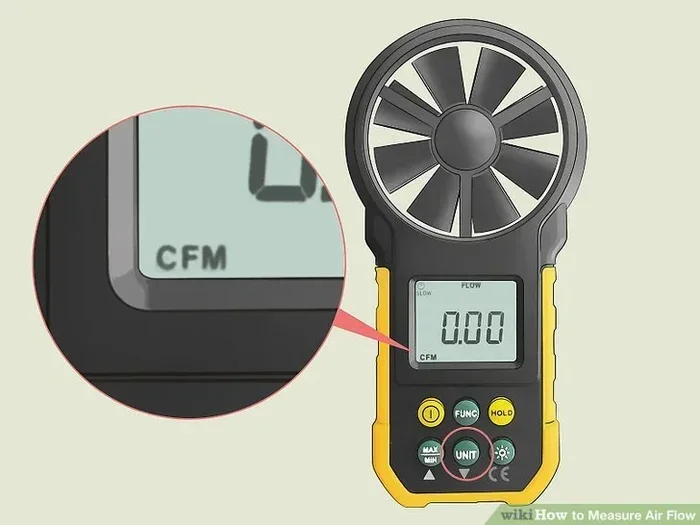

CFM stands for Cubic Feet per Minute and it measures how much air moves through a space every minute. Understanding CFM meaning helps you pick the right fan, ventilate rooms properly, and improve indoor air quality. Whether you are upgrading your HVAC system or buying an exhaust fan, knowing CFM airflow makes all the difference.
If you have ever looked at a fan or an HVAC system and wondered what all those numbers mean, you are not alone. One term you will see everywhere is CFM. It shows up on product labels, spec sheets, and installation guides. But what does CFM meaning actually stand for? And why should you care?
CFM stands for Cubic Feet per Minute. It is a measurement of how much air moves from one place to another in a single minute. Think of it as the speed at which air flows through a space. The higher the CFM rating, the more air the device moves. This simple number affects everything from how fresh your home feels to how well a factory ventilates dangerous fumes.
In this guide, we will break down the CFM meaning in plain language. You will learn how airflow measurement works, why it matters, and how to choose the right equipment for your needs. Whether you are a homeowner, a DIY enthusiast, or a facility manager, this article has you covered.
Key Takeaways
- CFM stands for Cubic Feet per Minute: It is the standard unit used to measure airflow and ventilation rates.
- CFM matters for comfort: The right CFM rating ensures proper air circulation in homes, workshops, and industrial spaces.
- Multiple factors affect CFM: Duct size, static pressure, fan speed, and room dimensions all influence airflow measurement results.
- Different applications need different CFM levels: A bathroom fan and an industrial blower serve very different purposes.
- Calculating CFM is simple: You can use a basic formula based on room volume and air changes per hour.
- Higher CFM is not always better: Oversized fans waste energy and create noise problems.
- Regular maintenance keeps CFM optimal: Clean filters and ducts help your system perform at its rated air capacity.
📑 Table of Contents
What Does CFM Mean?
The CFM meaning is straightforward. Cubic Feet per Minute tells you the volume of air that passes through a point every 60 seconds. One CFM equals one cubic foot of air moving per minute. A cubic foot is about the size of a large shoebox. So if a fan moves 100 CFM, it pushes 100 shoebox-sized chunks of air every single minute.
This unit of airflow measurement is used worldwide. Engineers, contractors, and manufacturers all rely on it. It helps them compare different products and systems fairly. Without CFM, you would have no standard way to know if a fan is strong or weak.
Why CFM Matters in Everyday Life
You might think CFM only matters to engineers and builders. But it affects your daily life more than you realize. Here are some common situations where CFM rating plays a big role:
- Bathroom ventilation: A fan with the right CFM airflow removes moisture and prevents mold.
- Kitchen exhaust: Cooking produces grease and smoke. Adequate air volume keeps your kitchen clean and healthy.
- Home comfort: Proper air circulation from your HVAC system keeps every room at a comfortable temperature.
- Workshops and garages: Tools like sanders and saws create dust. A blower with high air capacity keeps the air safe to breathe.
- Industrial settings: Factories use massive ventilation systems to remove chemicals and maintain safe working conditions.
As you can see, CFM is not just a technical number. It directly impacts your health, comfort, and safety.
How CFM Is Calculated
Understanding how CFM is calculated helps you make better decisions. The basic formula is simple and easy to remember.
CFM = Room Volume (in cubic feet) × Air Changes Per Hour (ACH) ÷ 60
Let us walk through a real example. Say you have a bedroom that is 10 feet wide, 12 feet long, and 8 feet high. The room volume is 960 cubic feet. Most bedrooms need about 8 air changes per hour for good ventilation.
So the calculation looks like this:
960 × 8 = 7,680. Then divide by 60. The result is 128 CFM. This means you need a fan or ventilation system that moves at least 128 cubic feet of air per minute.
Factors That Affect CFM Performance
Several factors can change how much air a system actually moves. These are important to understand before you buy any equipment.
Duct Size and Layout: Narrow or twisted ducts restrict air flow. A fan rated at 200 CFM might only deliver 150 CFM through a poorly designed duct system. Always match your duct size to your fan’s CFM rating.
Static Pressure: This is the resistance air faces as it moves through ducts and filters. High static pressure reduces airflow measurement results. Think of it like trying to breathe through a narrow straw. The air volume drops significantly.
Fan Speed (RPM): RPM stands for revolutions per minute. Faster spinning fans move more air. Many modern fans allow you to adjust RPM, which lets you control CFM airflow manually.
Filter Cleanliness: Dirty filters block air movement and reduce performance. Regularly replacing or cleaning filters keeps your system running at its rated air capacity.
Temperature and Altitude: Hot air is lighter and moves differently than cool air. At higher altitudes, thinner air also changes how fans perform. These factors are less obvious but still important.
CFM in Different Applications
CFM is not a one-size-fits-all number. Different settings require different levels of airflow measurement. Let us explore how CFM meaning applies in various situations.
Residential HVAC Systems
In homes, CFM determines how well your heating and cooling system works. A typical home needs about 400 CFM per ton of air conditioning. If your system is too small, it will not cool your rooms evenly. If it is too large, it will short cycle and waste energy.
Proper air circulation also affects humidity control. A system with the right CFM rating removes excess moisture from the air. This keeps your home comfortable and prevents mold growth.
Bathroom and Kitchen Fans
Bathrooms need about 50 to 100 CFM for adequate ventilation. Larger bathrooms or those with jetted tubs may need 150 CFM or more. Kitchen range hoods typically require 100 to 300 CFM depending on how much you cook.
The key is matching the CFM airflow to the room size. A tiny fan in a large bathroom will not do the job. And an oversized fan in a small bathroom creates unnecessary noise and drafts.
Industrial and Commercial Settings
Factories, warehouses, and commercial buildings need much higher air capacity. Industrial fans can move thousands of CFM. These systems handle fumes, heat, and airborne particles that would be dangerous without proper ventilation.
In these environments, airflow measurement is critical for worker safety. Regulatory agencies often set minimum CFM requirements for specific industries. Failure to meet these standards can result in fines or shutdowns.
Compressors and Pneumatic Tools
If you use pneumatic tools like impact wrenches or nail guns, CFM is essential. These tools need a steady supply of compressed air. Each tool has a minimum CFM rating it requires to operate properly.
For example, a basic impact wrench might need 4 to 5 CFM at 90 PSI. A larger sander could need 10 to 15 CFM. Your compressor must meet or exceed these numbers. Buying a compressor with too low a CFM rating means your tools will not perform correctly.
How to Choose the Right CFM for Your Needs
Choosing the right CFM rating can feel overwhelming. But it does not have to be. Follow these steps to find the perfect airflow measurement for your situation.
- Measure your space: Calculate the room volume in cubic feet. Multiply length by width by height.
- Determine air changes needed: Standard rooms need 6 to 8 ACH. Bathrooms need 8 to 10. Kitchens need 10 to 15 for range hoods.
- Apply the formula: Multiply room volume by ACH, then divide by 60. This gives you the minimum CFM airflow you need.
- Add a buffer: Round up by 10 to 20 percent. This accounts for duct losses and real-world conditions.
- Check the equipment specs: Look for the CFM meaning on the product label. Make sure the rated air capacity meets or exceeds your calculated number.
Quick Tips for Maximizing CFM
Here are some practical tips to get the most out of your ventilation and fan systems:
- Keep ducts straight and short: Every bend or elbow reduces air flow. Design your ductwork with minimal turns.
- Use properly sized ducts: Undersized ducts choke air volume. Oversized ducts waste space and money. Follow manufacturer guidelines.
- Seal all connections: Leaky ducts can lose 20 to 30 percent of your air capacity. Use mastic sealant or metal tape.
- Replace filters regularly: Clogged filters are the #1 cause of reduced CFM rating in residential systems.
- Clean your ducts: Dust buildup inside ducts restricts air circulation over time. Schedule professional cleaning every 3 to 5 years.
- Use variable speed fans: These let you adjust airflow measurement based on current needs. They are more efficient than single-speed models.
Common Mistakes People Make with CFM
Even experienced homeowners and contractors sometimes make mistakes with CFM. Avoiding these common errors saves money and frustration.
Oversizing the Fan
Many people think bigger is better. They buy a fan with a very high CFM rating hoping for the best result. But oversized fans create several problems. They move too much air too quickly. This causes drafts, noise, and uneven temperatures. They also waste energy and wear out faster. Always match the airflow measurement to your actual needs.
Ignoring Static Pressure
People often look only at the CFM meaning on the box. They forget about static pressure. A fan with great air capacity will still underperform if the system has high resistance. Always consider both CFM and static pressure when selecting equipment.
Skipping Room Calculations
Guessing the CFM rating you need is a recipe for disappointment. Without proper calculations, you might end up with too little or too much air volume. Always do the math first. The formula is simple and takes only a few minutes.
Neglecting Maintenance
A new fan with excellent CFM airflow will lose performance over time if not maintained. Dirty blades, clogged filters, and leaky ducts all reduce air circulation. Set a schedule for regular maintenance. Your system will last longer and perform better.
Forgetting About Intake and Exhaust Balance
Proper ventilation requires balanced air movement. You need both intake and exhaust working together. If your exhaust fan pulls air out but has no way for fresh air to come in, it creates negative pressure. This reduces overall airflow measurement and can pull dangerous gases into your living space.
Expert Insights on CFM and Airflow
HVAC professionals and ventilation engineers agree on a few key points about CFM meaning and airflow measurement. Here is what the experts want you to know.
Balance is everything. A well-designed system moves the right amount of air volume to every room. It does not just focus on total CFM rating. It distributes air evenly for consistent comfort.
Quality matters as much as quantity. A fan that moves 100 CFM quietly is often better than one that moves 150 CFM with excessive noise. Look for fans with good airflow measurement and low sound ratings.
Technology is improving. Modern air circulation systems use smart controls to adjust CFM airflow based on real-time conditions. These systems save energy and improve comfort. If you are upgrading, consider investing in smart ventilation technology.
Do not ignore the ductwork. Even the best fan with a high air capacity will underperform in a poorly designed duct system. Invest in quality duct design and installation. It makes a huge difference in airflow measurement results.
CFM and Energy Efficiency
There is a strong connection between CFM and energy efficiency. When your system moves the right amount of air volume, it does not have to work as hard. This means lower electricity bills and less wear on equipment.
Oversized systems short cycle. They turn on and off frequently. This wastes energy and reduces equipment lifespan. Undersized systems run constantly. They never keep up with demand. Both scenarios increase your energy costs.
The sweet spot is finding equipment with the right CFM rating for your space. Look for ENERGY STAR certified products. These meet strict efficiency guidelines while delivering excellent air circulation.
Variable speed fans are especially efficient. They adjust their CFM airflow based on demand. On a mild day, they run at low speed. On a hot day, they ramp up. This smart airflow measurement saves energy throughout the year.
CFM Meaning in Different Units
While CFM is the most common unit, other countries and industries use different measurements. Understanding these conversions helps when comparing products from different manufacturers.
CMM (Cubic Meters per Minute): This is the metric equivalent of CFM. One CMM equals about 35.3 CFM. Many international products list airflow measurement in CMM.
ACH (Air Changes Per Hour): This measures how many times the entire volume of air in a room is replaced per hour. It is closely related to CFM and helps you understand ventilation adequacy.
L/s (Liters per Second): Another metric unit used in some regions. 1 CFM equals approximately 0.47 L/s.
Knowing these conversions helps you compare products fairly. It also ensures you meet ventilation standards regardless of where you live.
Conclusion
The CFM meaning is simple but powerful. Cubic Feet per Minute tells you exactly how much air a device or system moves. This number affects your comfort, your energy bills, and your indoor air quality. From bathroom fans to industrial compressors, CFM is the universal language of airflow measurement.
Now that you understand CFM, you can make smarter buying decisions. You can calculate what your space needs. You can avoid common mistakes. And you can keep your systems running at peak performance.
Take the time to measure your rooms. Do the calculations. Choose equipment with the right CFM rating. Your home or workspace will feel better, last longer, and cost less to operate. The power of air circulation is in your hands now.
Remember, proper airflow measurement is not just about numbers on a spec sheet. It is about creating a healthy, comfortable environment for everyone who uses the space. So next time you see CFM on a product label, you will know exactly what it means and why it matters.
Frequently Asked Questions
What is CFM in simple terms?
CFM stands for Cubic Feet per Minute. It measures how much air a fan or ventilation system moves every minute. The higher the number, the more air the device pushes through a space.
How do I calculate the CFM I need for a room?
Multiply your room volume (length times width times height) by the desired air changes per hour. Then divide by 60. This gives you the minimum CFM rating you need. Always round up a little for safety.
Is higher CFM always better?
No. A higher CFM rating is not always better. You need the right amount of air volume for your space. Oversized fans waste energy, create noise, and cause uneven temperatures. Match the airflow measurement to your actual needs.
What affects CFM performance?
Several factors affect CFM performance. Duct size and layout, static pressure, fan speed, filter cleanliness, and even temperature all play a role. Keeping your system well-maintained ensures optimal air capacity.
Can I improve the CFM in my existing system?
Yes. You can improve air circulation by cleaning or replacing filters, sealing leaky ducts, and ensuring proper ventilation balance. Variable speed fan upgrades also help. Sometimes simply cleaning dust buildup restores lost airflow measurement.
What is a good CFM for a bathroom fan?
A standard bathroom needs 50 to 100 CFM. Larger bathrooms or those with jetted tubs should aim for 150 CFM or more. The right CFM airflow prevents moisture buildup, reduces odors, and stops mold from growing.