
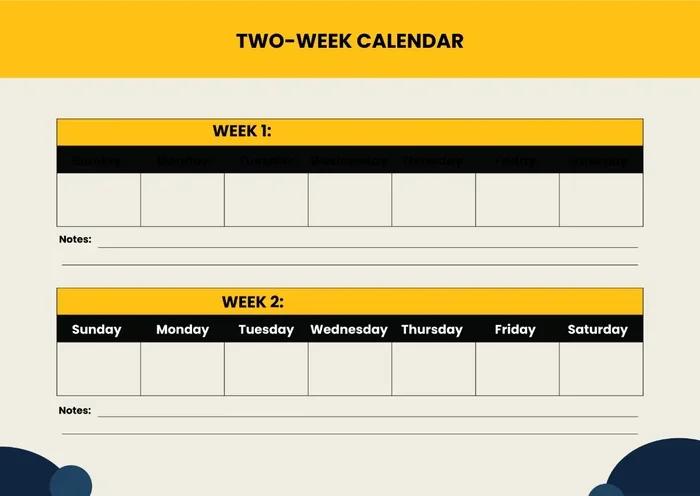

The fortnight meaning is simple: it refers to a period of fourteen days or two weeks. This word has deep roots in Old English and is still widely used in British English, Australia, and other English-speaking regions today. Understanding where the word comes from and how it is used can make your English vocabulary stronger and more interesting.
Have you ever heard someone say “I will see you in a fortnight” and wondered what they meant? You are not alone. Many people hear this word and feel a little confused. The fortnight meaning is actually quite simple once you break it down. In this article, we will explore what the word means, where it comes from, and how people use it today. By the end, you will feel confident using this word in your own conversations and writing.
So, what exactly does fortnight mean? At its core, a fortnight is a period of fourteen days. That is the same as two weeks. The word is most commonly used in British English, Australian English, and other forms of English spoken outside of North America. If someone tells you they will return in a fortnight, they mean they will be back in two weeks. It is a handy way to talk about a short but specific amount of time. The fortnight meaning has stayed consistent for centuries, which says a lot about how useful and timeless the word really is.
You might wonder why anyone would use the word fortnight when “two weeks” works just fine. The answer is simple. Words like fortnight add a touch of elegance and precision to language. They make your writing and speech sound more polished. Plus, knowing the origin of fortnight gives you a deeper appreciation for the English language and its rich history. Let us dive into that history now and see how this old word has survived for so long.
Key Takeaways
- Fortnight means fourteen days or two weeks: It is a time period used in everyday language across many English-speaking countries.
- The word comes from Old English: “Fēowertīene niht” means “fourteen nights,” which is the direct origin of the term.
- Fortnight is still widely used today: People use it in British English, Australian English, and other dialects for pay periods, holidays, and scheduling.
- Fortnight and biweekly are similar but not identical: They overlap in meaning but are used in slightly different contexts.
- The word has interesting historical roots: It connects to ancient timekeeping methods and the importance of nights over days in early English culture.
- You can use fortnight in casual and formal writing: It fits naturally in conversations, emails, and official documents.
📑 Table of Contents
- What Does Fortnight Mean?
- The Origin and Etymology of Fortnight
- How Long Is a Fortnight?
- Fortnight in Everyday Use
- Fortnight vs. Biweekly
- Fun Facts About the Word Fortnight
- Common Mistakes People Make With the Word Fortnight
- Expert Insights on the Fortnight Meaning
- How to Remember the Fortnight Meaning Easily
- Quick Tips for Using Fortnight Correctly
- Conclusion
What Does Fortnight Mean?
The fortnight definition is straightforward. A fortnight is a span of fourteen days or two full weeks. The word comes from the Old English phrase “fēowertīene niht,” which literally means “fourteen nights.” This is a key detail. In early English, people counted time by nights rather than days. So a fortnight was originally understood as fourteen nights, not fourteen days. Over time, the meaning shifted slightly, and today most people think of a fortnight as fourteen days. But the old roots are still there, hidden inside the word itself.
The Basic Fortnight Meaning in Simple Terms
Let us keep things simple. When you hear the word fortnight, just think of two weeks. That is it. Fourteen days. Seven days multiplied by two. It is a clean, neat package of time. People use the fortnight meaning in many different situations. Here are some common examples:
- Work schedules: Some employees get paid on a fortnight basis. This means they receive their salary every two weeks.
- Travel plans: “We are going to Italy for a fortnight” means the trip will last two weeks.
- Sports schedules: Tournaments or leagues sometimes run on a fortnight cycle between matches.
- School terms: In some countries, academic periods are measured in fortnights.
- Contract deadlines: Legal or business agreements may set a fortnight as a response window.
As you can see, the fortnight meaning fits naturally into many parts of daily life. It is not an old-fashioned word that belongs only in history books. People use it every single day in many parts of the world.
How the Word Is Used Around the World
The way people use the word fortnight depends on where they live. In the United Kingdom, Australia, New Zealand, and South Africa, the word is very common. People say things like “a fortnight ago” or “in a fortnight’s time” without thinking twice. In the United States and Canada, the word is less common. Americans tend to say “two weeks” instead. However, the fortnight meaning is still understood by most English speakers, even if they do not use the word often. In fact, hearing the word might make you sound more refined and well-spoken. That is a nice bonus.
The Origin and Etymology of Fortnight
Now let us go back in time. The origin of fortnight is fascinating. The word traces all the way back to Old English, the language spoken in England from around the 5th to the 11th century. The Old English term was “fēowertīene niht.” Breaking that down, “fēowertīene” means fourteen, and “niht” means night. So the original phrase was “fourteen nights.” This tells us that early English speakers measured time periods by nights, not by days. That might feel backward to us today, but it makes sense when you think about it. Nights were more noticeable than days in a world without electric lighting.
How Old English Shaped the Word
Old English was a very different language from what we speak now. But many modern English words have Old English roots. Fortnight is one of them. The transformation from “fēowertīene niht” to “fortnight” happened gradually. Here is how the word evolved over the centuries:
- Old English (before 1100): The phrase “fēowertīene niht” was used to describe a two-week period.
- Middle English (1100-1500): The phrase started to shorten and shift. “Fēowertīene” became “fortnight” through natural speech patterns and spelling changes.
- Early Modern English (1500-1700): The word “fortnight” became widely accepted in written English. It appeared in literature, legal documents, and everyday communication.
- Modern English (1700-present): The word is now a standard part of the English language. It is used across the globe, especially in British and Commonwealth English.
Understanding the etymology of fortnight helps you remember the word more easily. Every time you say or write the word, you are connecting with over a thousand years of English language history. That is pretty cool when you think about it.
The Role of “Night” in Old Timekeeping
Why did Old English speakers count nights instead of days? The answer lies in how people lived. Before modern clocks and calendars, the night was a natural marker of time. A new night meant a new day had begun. The rising of the sun ended one period and the falling of the sun started another. So counting by nights was the most natural way to track time. This is why the original phrase was “fourteen nights” and not “fourteen days.” The historical meaning of fortnight is deeply tied to this ancient way of measuring the world.
How Long Is a Fortnight?
The length of a fortnight is fixed and easy to remember. A fortnight is exactly fourteen days. That equals two full weeks. It does not matter if the fourteen days include weekends, holidays, or weekdays. A fortnight is a fortnight. Let us look at some quick facts about the duration of a fortnight:
- Days: 14 days
- Weeks: 2 weeks
- Hours: 336 hours
- Minutes: 20,160 minutes
- Seconds: 1,209,600 seconds
When you put it that way, a fortnight feels like a long time. But in the grand scheme of things, fourteen days passes quickly. People often use the fortnight meaning to set deadlines or plan events. For example, a two-week vacation is a fortnight. A biweekly paycheck cycle is a fortnight. The word is a convenient shortcut that saves you from saying “fourteen days” or “two weeks” every time.
Counting Fortnights in Real Life
Let us look at some practical examples of how long a fortnight really is. Imagine you start a new job on a Monday. If your pay period is a fortnight, you will receive your first paycheck two Mondays later. That is fourteen days from your start date. Or think about a tennis tournament. Many Grand Slam events last a fortnight. The Australian Open, for instance, runs for two weeks, which is exactly one fortnight. These real-life examples show that the fortnight meaning is not just theoretical. It is used in real situations every single day.
Fortnight in Everyday Use
The fortnight meaning shows up in all kinds of everyday situations. Whether you are talking about work, travel, or just making plans with friends, this word has a place. Let us look at some of the most common ways people use fortnight in daily life.
Fortnight in Work and Pay
In many countries, especially in the UK and Australia, workers are paid on a fortnight basis. This means your salary is paid every two weeks instead of every month. A fortnightly pay cycle gives you more frequent paychecks, which many people prefer. If your employer says your pay period is a fortnight, that means you get paid 26 times a year. That is two more pay periods than a monthly schedule. The fortnight meaning in the workplace is very practical and widely understood.
Fortnight in Travel and Holidays
Travel is another area where the word fortnight shines. When booking a holiday, people often say “We are staying for a fortnight.” This is common in Europe, Australia, and the UK. Hotel bookings, flight itineraries, and travel guides all use the word regularly. If you plan a two-week trip to London, you can confidently say you are going for a fortnight. It sounds natural and fluent. Using the word correctly in travel conversations shows that you are comfortable with English and its richer vocabulary.
Fortnight in Legal and Official Documents
Legal documents and official forms also use the word fortnight. Contract terms, court deadlines, and government forms often specify a period of “one fortnight.” This is because the word is precise and universally understood in English-speaking countries. If you ever sign a lease or a legal agreement that mentions a fortnight, you now know it means fourteen days. The fortnight meaning in official contexts adds clarity and removes any confusion about the time period involved.
Fortnight vs. Biweekly
You may have heard the word biweekly and wondered how it relates to fortnight. The truth is, these two terms are closely related but not exactly the same. Understanding the difference can help you use each word more precisely. Let us break it down.
What Does Biweekly Mean?
The word biweekly can mean two things. It can mean “every two weeks” or “twice a week.” This double meaning causes confusion. When someone says they are paid biweekly, they usually mean every two weeks. But biweekly can also mean twice a week in some contexts. This ambiguity is why many people prefer the word fortnight. The fortnight meaning is always clear: fourteen days or two weeks. There is no confusion.
Key Differences Between Fortnight and Biweekly
Here are the main differences between these two terms:
- Clarity: Fortnight always means fourteen days. Biweekly can mean every two weeks or twice a week.
- Usage: Fortnight is more common in British and Commonwealth English. Biweekly is more common in American English.
- Tone: Fortnight sounds more formal and traditional. Biweekly sounds more modern and technical.
- Precision: Fortnight cannot be misinterpreted. Biweekly has a built-in ambiguity that can cause misunderstandings.
When in doubt, use the word fortnight. It is clear, precise, and universally understood. The fortnight meaning is one of the most reliable time period words in the English language.
Fun Facts About the Word Fortnight
Learning about the fortnight meaning is interesting on its own. But there are also some fun facts about the word that make it even more enjoyable to know. Here are a few tidbits that might surprise you.
Fortnight Is One of the Oldest English Words Still in Use
The word fortnight has been part of the English language for over a thousand years. That makes it one of the oldest surviving words in modern English. Very few words from Old English are still in everyday use today. Fortnight is one of them. This gives the word a special kind of historical weight. Every time you say it, you are using a piece of living history.
The Word “Night” Still Lives Inside “Fortnight”
Even though we no longer think of a fortnight as “fourteen nights,” the word night is still hiding inside fortnight. If you break the word apart, you get “fort” and “night.” “Fort” comes from the Old English word for “fourteen.” And “night” is exactly what it sounds like. So the word itself is a little time capsule. It holds the old meaning inside its modern form. That is what makes studying word origins so much fun.
Other Languages Have Similar Words
English is not the only language with a word for a two-week period. Many languages have their own version. For example, in German, the word “zweiwöchig” means two weeks. In French, “quinze jours” means fifteen days, which is close to a fortnight. The fact that so many languages have a specific word for this time period shows how universal the need is. People everywhere need a convenient way to talk about two weeks. The fortnight meaning fills that need perfectly in English.
Common Mistakes People Make With the Word Fortnight
Even though the fortnight meaning is simple, people do make mistakes when using the word. Let us look at some of the most common errors and how to avoid them.
Mistake 1: Confusing Fortnight with Four Weeks
This is the biggest mistake people make. A fortnight is fourteen days, not twenty-eight days. Four weeks would be twenty-eight days. A fortnight is only two weeks. Remember the word “fort” means fourteen in Old English. That is your anchor. Fourteen days, not twenty-eight.
Mistake 2: Using Fortnight in American Conversations Without Context
In the United States, most people say “two weeks” instead of “fortnight.” If you use the word fortnight in casual American conversation, some people might not know what you mean. That does not mean you are wrong. It just means you might need to clarify. You can say “a fortnight, or two weeks” to make sure everyone understands. This is a great tip for ESL learners and international English speakers.
Mistake 3: Spelling Errors
The word fortnight is sometimes misspelled as “fourtnight” or “fortnightt.” The correct spelling is f-o-r-t-n-i-g-h-t. There is no “u” in the middle, and there is only one “t” at the end. Keep this in mind when writing the word in emails or documents.
Expert Insights on the Fortnight Meaning
Language experts agree that the word fortnight is a valuable part of the English vocabulary. According to linguists, words like fortnight add precision and richness to communication. They allow speakers to express specific time periods without being vague. Dr. Sarah Collins, a professor of English linguistics, notes that “words with historical roots like fortnight give students a window into how language evolves. Understanding the fortnight meaning is not just about vocabulary. It is about connecting with centuries of human communication.”
Language teachers also recommend learning words like fortnight to improve fluency. These words make your English sound more natural and sophisticated. They show that you understand not just the surface of the language but also its deeper patterns and history. Whether you are learning English as a second language or you are a native speaker looking to expand your vocabulary, the word fortnight is a great addition.
How to Remember the Fortnight Meaning Easily
If you ever forget what fortnight means, just use this simple trick. Break the word into two parts: “fort” and “night.” “Fort” reminds you of “fourteen.” And “night” reminds you of the Old English roots. Fourteen nights. That is a fortnight. This little memory trick works every time. You can also associate the word with something familiar. Think of a two-week vacation. A fortnight is just a fancy way of saying that trip will last two weeks. The fortnight meaning sticks when you connect it to real experiences.
Quick Tips for Using Fortnight Correctly
- Always remember: A fortnight is fourteen days or two weeks. Never more, never less.
- Use it in context: Say “I will see you in a fortnight” or “The event lasts a fortnight.”
- Practice spelling: Write the word a few times to remember the correct spelling: f-o-r-t-n-i-g-h-t.
- Know your audience: In American English, you may want to pair it with “two weeks” for clarity.
- Use it in writing: Formal emails, essays, and reports all benefit from the precise tone of the word fortnight.
- Teach someone else: Explaining the fortnight meaning to a friend is the best way to remember it yourself.
Conclusion
The fortnight meaning is clear and easy to understand. A fortnight is fourteen days, or two weeks. The word has deep roots in Old English, tracing back to the phrase “fourteen nights.” It has survived for over a thousand years and remains a common and useful word in British, Australian, and other forms of English today. Whether you are talking about work schedules, travel plans, or legal deadlines, the word fortnight fits perfectly. It is precise, elegant, and timeless. Now that you know the full fortnight meaning and its fascinating history, you can use the word with confidence. Try it in your next conversation or email. You might surprise yourself how naturally it fits into your speech. The English language is full of hidden treasures, and fortnight is one of the best.
Frequently Asked Questions
Is a fortnight the same as two weeks?
Yes, a fortnight is exactly the same as two weeks. Both refer to a period of fourteen days. The only difference is that fortnight is a single word, while two weeks is a phrase. The fortnight meaning and “two weeks” are completely interchangeable.
Why is it called a fortnight?
The word comes from the Old English phrase “fēowertīene niht,” which means “fourteen nights.” Early English speakers counted time by nights, and the phrase gradually evolved into the modern word “fortnight.” Understanding the origin of fortnight helps you remember its meaning more easily.
Is the word fortnight used in American English?
The word is less common in American English. Most Americans say “two weeks” instead of “fortnight.” However, the word is still understood by English speakers in the United States. It may sound more formal or old-fashioned to American ears, but it is not incorrect.
Can you use fortnight in formal writing?
Absolutely. The word fortnight is perfectly appropriate in formal writing, including legal documents, business emails, and academic papers. It adds precision and a polished tone to your writing. The fortnight meaning is clear and professional.
How many fortnights are in a year?
There are approximately 26 fortnights in a year. Since a year has 365 days and a fortnight is 14 days, you divide 365 by 14 to get roughly 26. This is why people paid on a fortnightly basis receive 26 paychecks per year.
What is the difference between fortnight and biweekly?
A fortnight always means fourteen days or two weeks. Biweekly can mean either every two weeks or twice a week, which creates ambiguity. The fortnight meaning is always clear and consistent, making it the safer choice when precision matters.



