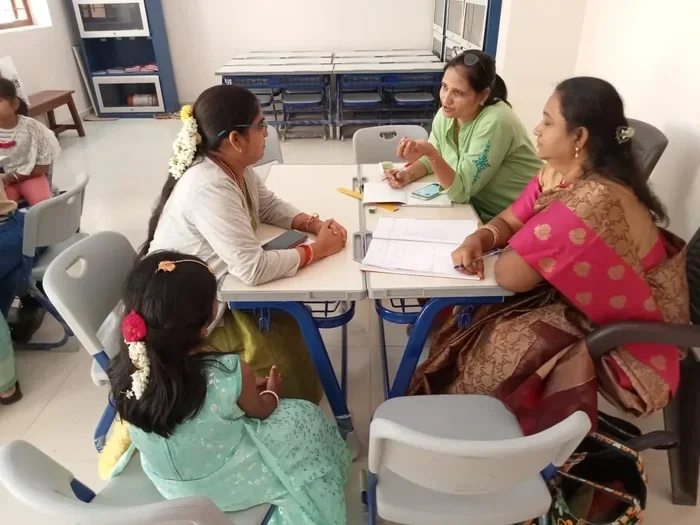

PTSO stands for Parent Teacher Student Organization. It is a school-based group where parents, teachers, and students work together to support education. PTSOs help raise funds, plan events, and build stronger school communities. Unlike PTAs, PTSOs include students as active members. This guide explains everything you need to know about what a PTSO does and why it matters.
Have you ever seen the letters PTSO on a school flyer and wondered what it meant? You are not alone. Many parents and community members see this acronym and are not sure what it stands for or what it does. The PTSO meaning is simple but the impact these organizations have is huge.
PTSO stands for Parent Teacher Student Organization. It is a group made up of parents, teachers, and students who work together to support their school. These organizations help raise money, plan fun events, and create a stronger sense of community. In this article, we will break down everything you need to know about PTSOs. You will learn what they are, how they work, and why they matter so much for schools and students.
Key Takeaways
- PTSO stands for Parent Teacher Student Organization: A collaborative group that includes parents, teachers, and students working together.
- PTSOs differ from PTAs: The key difference is student involvement and membership flexibility.
- PTSOs support schools in many ways: From fundraising to volunteering, they play a vital role in school life.
- Anyone can join or start a PTSO: You do not need special qualifications to get involved.
- PTSOs benefit students directly: They fund programs, events, and resources that enhance learning.
- Leadership roles are open to all: Parents, teachers, and students can all take on leadership positions.
- Starting a PTSO is straightforward: A few dedicated people can launch one with clear goals.
📑 Table of Contents
- What Is a PTSO and What Does PTSO Stand For?
- PTSO Meaning vs PTA: What Is the Difference?
- What Does a PTSO Do? Key Functions and Activities
- Why PTSOs Matter for School Communities
- How to Get Involved with Your School’s PTSO
- Common Mistakes PTSOs Make and How to Avoid Them
- How to Start a PTSO at Your School
- Benefits of Being Part of a PTSO
- Key Takeaways
- PTSO Meaning and Its Growing Importance in Modern Education
- Frequently Asked Questions
- Final Thoughts on PTSO Meaning and Why It Matters
What Is a PTSO and What Does PTSO Stand For?
The PTSO acronym stands for Parent Teacher Student Organization. It is a school-based group that brings together three key groups of people. Parents get involved in their child’s school life. Teachers connect with families. And students have a voice in decisions that affect them.
A PTSO is different from a regular parent group because it includes students as official members. This makes it more inclusive. It also gives young people a chance to develop leadership skills early on. Many schools across the country have PTSOs. They are especially common in elementary and middle schools. But high schools can have them too.
How PTSOs Started
The idea of parent groups in schools goes back many decades. Early on, these groups focused mainly on parent involvement. Over time, educators realized that including students made the groups stronger. That is how the PTSO model grew. Today, thousands of schools use this approach to build better connections between home and school.
PTSO Meaning vs PTA: What Is the Difference?
People often confuse PTSOs with PTAs. Both groups aim to support schools. But there are some important differences. Understanding these can help you decide which group fits your school best.
Key Differences Between PTSO and PTA
- Membership: PTAs usually do not include students as official members. PTSOs do.
- Structure: PTAs often follow a national model. PTSOs can be more flexible and local.
- Focus: PTSOs tend to focus more on student voice and participation.
- Affiliation: PTAs may be connected to a national organization. PTSOs are usually independent.
- Inclusivity: PTSOs welcome all three groups equally. PTAs focus mainly on parents and teachers.
Both types of groups do amazing work. The choice between them depends on your school’s needs. Some schools prefer the structure of a PTA. Others want the flexibility and student focus of a PTSO.
What Does a PTSO Do? Key Functions and Activities
Now that you know the PTSO meaning, let us look at what these groups actually do. PTSOs wear many hats. They support schools in a variety of ways. Here are the main functions of a typical PTSO.
Fundraising for School Programs
One of the biggest jobs of a PTSO is raising money. Schools often need extra funds for things the budget does not cover. PTSOs organize school fundraising events like bake sales, fun runs, and book fairs. The money raised goes toward things like new playground equipment, classroom supplies, and field trips.
Here are some common PTSO fundraising ideas:
- Crowdfunding campaigns online
- School spirit wear sales
- Auction nights
- Car washes
- Holiday gift wrap sales
Organizing School Events
PTSOs plan many of the events that make school life fun. These events bring the community together. They also give students chances to learn outside the classroom.
Examples of events PTSOs organize include:
- Back-to-school nights
- Family game nights
- Science fairs
- Cultural celebrations
- End-of-year picnics
Supporting Teachers and Staff
Teachers work incredibly hard every day. PTSOs show their appreciation in many ways. They might organize teacher appreciation weeks. They could also provide classroom supplies that teachers need. Some PTSOs even fund small grants for teachers to use in their classrooms. This kind of support goes a long way in boosting teacher morale.
Giving Students a Voice
Because students are part of a PTSO, they get to share their ideas. They can suggest events, programs, and improvements. This teaches them valuable skills like communication, teamwork, and problem-solving. It also makes them feel more connected to their school.
Why PTSOs Matter for School Communities
The parent teacher student organization model creates a powerful triangle of support. When parents, teachers, and students work together, great things happen. Here is why PTSOs matter so much.
Building Stronger School Communities
Schools are more than just buildings. They are communities. PTSOs help build connections between families and the school. When parents volunteer, kids see that their education matters. This creates a positive cycle of involvement. Strong school communities also help students feel safer and more supported.
Improving Student Outcomes
Research shows that parent involvement in school leads to better student outcomes. When families are engaged, students tend to earn higher grades. They also show better behavior and higher attendance rates. PTSOs create opportunities for this involvement to happen naturally.
Filling Gaps in School Funding
Many schools face tight budgets. PTSOs help fill the gaps. The funds they raise can pay for things like art supplies, technology, and after-school programs. Without PTSOs, many of these programs might not exist.
Quick Tip: If you are new to a PTSO, start by attending one meeting. You do not need to commit to a leadership role right away. Just observe and learn how things work.
How to Get Involved with Your School’s PTSO
Getting involved with a PTSO group is easier than you might think. You do not need special skills or a lot of free time. There are many ways to contribute. Here is how you can get started.
Step 1: Find Out if Your School Has a PTSO
Check your school’s website or ask the front office. Most schools with a PTSO will have information readily available. You can also look for meeting dates on school newsletters or bulletin boards.
Step 2: Attend a Meeting
Go to at least one meeting before you decide to join. This helps you understand the group’s goals and activities. You will also meet the current leaders and other members.
Step 3: Choose a Role That Fits You
PTSOs need all kinds of help. You do not have to be the president. Here are some roles you might consider:
- Event planner: Help organize school events
- Fundraising coordinator: Lead or assist with fundraising drives
- Communications lead: Send out newsletters and updates
- Volunteer coordinator: Match volunteers with needs
- Treasurer: Help manage the group’s budget
Step 4: Stay Consistent
The best PTSOs have members who show up regularly. Even if you can only give a few hours a month, your contribution matters. Consistency builds trust and helps the group achieve its goals.
Common Mistakes PTSOs Make and How to Avoid Them
Even the best PTSOs can run into challenges. Being aware of common mistakes helps you avoid them. Here are some pitfalls to watch out for.
Not Communicating Clearly
Poor communication is the number one problem for many parent groups. If members do not know about meetings or events, they cannot participate. Use multiple channels to share information. Email, social media, and school newsletters all work well together.
Burning Out Leaders
When too few people do all the work, leaders get exhausted. Spread tasks across many members. Rotate responsibilities so no one feels overwhelmed. A healthy PTSO shares the load.
Excluding Voices
A PTSO should represent the whole school community. Make sure all families feel welcome. Reach out to diverse groups and make your meetings accessible. Language barriers, timing conflicts, and cost can all keep people away if not addressed.
Forgetting About Students
Since students are part of a PTSO, their input is essential. Some groups accidentally focus only on parents and teachers. Make sure students have a real seat at the table. Ask them what they think and act on their ideas.
Expert Insight: According to the National Parent Teacher Association, schools with active parent organizations see higher rates of student success. The key is consistent, inclusive engagement from all three groups.
How to Start a PTSO at Your School
If your school does not have a PTSO, you can start one. It takes a few dedicated people and a clear plan. Here is a simple roadmap to get you started.
Step 1: Gather Interested Parents, Teachers, and Students
Start by finding a small group of people who share your vision. Reach out through school channels or social media. Even three or four committed people can make it happen.
Step 2: Define Your Mission and Goals
Write a clear mission statement. What does your PTSO want to achieve? Some common goals include:
- Improving school facilities
- Increasing parent engagement in school
- Funding student programs and activities
- Creating a more inclusive school culture
Step 3: Set Up a Simple Structure
You do not need a complicated organization chart. A president, vice president, treasurer, and secretary can cover the basics. Add more roles as the group grows.
Step 4: Hold Your First Meeting
Choose a date, time, and place. Send out invitations to all families. Keep the first meeting simple. Introduce yourselves, share your mission, and ask for input on goals.
Step 5: Plan Your First Event
A fun, low-cost event is a great way to build momentum. A family movie night or a pizza social can bring people together. It also shows the school community what PTSOs do.
Benefits of Being Part of a PTSO
Joining a PTSO group offers benefits for everyone involved. Parents, teachers, and students all gain something valuable.
Benefits for Parents
- Better understanding of your child’s school life
- Opportunities to meet other families
- A chance to influence school decisions
- Development of leadership and organizational skills
Benefits for Teachers
- Extra support with classroom needs
- Stronger relationships with families
- Help with events and programs
- A boost in morale and appreciation
Benefits for Students
- Access to more programs and resources
- A stronger sense of belonging
- Opportunities to develop leadership skills
- Better overall school experience
| Benefit Area | Parents | Teachers | Students |
|---|---|---|---|
| Leadership Skills | Yes | Yes | Yes |
| Community Building | Yes | Yes | Yes |
| Access to Resources | Yes | Yes | Yes |
| Voice in School Decisions | Yes | Yes | Yes |
| Fun and Social Connection | Yes | Yes | Yes |
Key Takeaways
- PTSO stands for Parent Teacher Student Organization: A group that includes parents, teachers, and students working together for the school.
- PTSOs differ from PTAs: The main difference is the inclusion of students as active members and a more flexible structure.
- PTSOs support schools through fundraising, events, and volunteering: They fill gaps that budgets cannot cover.
- Anyone can join or start a PTSO: You do not need special experience or a lot of time.
- PTSOs benefit all three groups: Parents, teachers, and students each gain meaningful advantages.
- Clear communication and shared leadership are key: These practices help PTSOs thrive and avoid burnout.
- Starting a PTSO is achievable with a small group: A few dedicated people can launch a lasting organization.
PTSO Meaning and Its Growing Importance in Modern Education
The role of parent groups in education has grown significantly over the past decade. Schools face more challenges than ever before. Budget cuts, larger class sizes, and the need for mental health support are just a few of the pressures. PTSOs help address these challenges by bringing communities together.
In today’s world, parent engagement strategies are more important than ever. A PTSO provides a structured way for families to stay involved. It also helps bridge the gap between home and school. When parents understand what happens in the classroom, they can better support their children at home.
The Rise of Digital PTSO Communication
Many PTSOs now use digital tools to stay connected. Group chats, email newsletters, and social media pages make it easy to share updates. These tools help reach more families, especially those who cannot attend in-person meetings. Digital communication also makes it easier to organize events and collect donations.
PTSOs and School Safety
PTSOs also play a role in school safety. They help organize safety drills and communicate with families during emergencies. Some PTSOs fund security improvements like cameras or updated locks. By working with school administrators, they create a safer environment for everyone.
How PTSOs Support Diversity and Inclusion
A strong PTSO welcomes families from all backgrounds. They celebrate cultural diversity through events and programs. Inclusive PTSOs make sure every family feels valued and heard. This kind of environment helps students develop respect and empathy for others.
Frequently Asked Questions
What does PTSO stand for?
PTSO stands for Parent Teacher Student Organization. It is a school group that includes parents, teachers, and students working together to support education and school life.
How is a PTSO different from a PTA?
The main difference is that a PTSO includes students as active members. PTAs typically focus on parents and teachers. PTSOs also tend to have a more flexible, local structure compared to the national PTA organization.
Can any parent join a PTSO?
Yes, most PTSOs welcome all parents and guardians. You do not need special qualifications or a lot of free time. Even a few hours of volunteer work per month can make a real difference.
What kinds of events do PTSOs organize?
PTSOs organize a wide range of events. These include fundraisers like bake sales and fun runs, family nights, cultural celebrations, teacher appreciation events, and end-of-year activities. The goal is to bring the school community together.
Do students really have a say in PTSO decisions?
Yes, that is one of the key features of a PTSO. Students are official members and can share their ideas. Many PTSOs have student representatives who attend meetings and help plan events.
How can I start a PTSO if my school does not have one?
Start by finding a few interested parents, teachers, and students. Define your mission, set up a simple structure, and hold your first meeting. Plan a small, fun event to build momentum and show the school community what the group is about.
Final Thoughts on PTSO Meaning and Why It Matters
The PTSO meaning goes far beyond just an acronym. It represents a powerful partnership between parents, teachers, and students. When these three groups work together, schools become better places for everyone. Students get more support. Teachers feel more appreciated. And families feel more connected.
Whether you are a parent looking to get more involved, a teacher seeking additional support, or a student wanting to make a difference, a PTSO is a great place to start. The work these organizations do has a lasting impact on school communities across the country.
Take the first step today. Attend a meeting, volunteer for an event, or simply learn more about what your school’s PTSO does. You will be amazed at how much difference a little time and effort can make. Parent involvement in school creates a ripple effect that benefits students for years to come. Your voice matters, and a PTSO is the perfect place to use it.