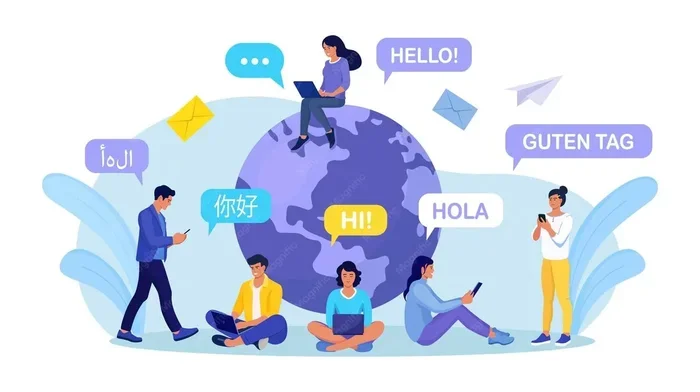

The polyglot meaning is simple: a person who speaks, reads, or writes several languages fluently. Polyglots are not born with magic talent — they use proven language learning strategies, consistent practice, and genuine curiosity. This guide covers everything from the polyglot definition to practical tips for building your own multilingual skills. You will learn why speaking multiple languages matters more than ever in today’s connected world.
Key Takeaways
- Polyglot meaning: A person who knows and uses several languages actively in daily life or professional settings.
- Anyone can become a polyglot: It is not about talent — it is about methods, consistency, and motivation.
- Cognitive benefits are real: Multilingualism improves memory, problem-solving, and even delays cognitive decline.
- Career opportunities expand: Employers highly value candidates with strong language skills and multilingual abilities.
- You do not need perfect fluency: Even conversational language proficiency in multiple tongues opens doors.
- Start small and stay consistent: Daily practice, even just 15 minutes, builds lasting language acquisition habits.
- Community matters: Joining language groups and finding partners keeps you motivated and accountable.
📑 Table of Contents
- What Is The Meaning Of Polyglot And Why It Really Matters
- The True Polyglot Meaning: Breaking It Down
- Why Being a Polyglot Matters More Than Ever
- Common Myths About Polyglots
- How Polyglots Actually Learn Languages
- Quick Tips to Start Your Polyglot Journey Today
- How Polyglot Skills Transform Everyday Life
- Final Thoughts: Your Polyglot Journey Starts Now
What Is The Meaning Of Polyglot And Why It Really Matters
So you have heard the word polyglot before. Maybe someone called a friend a polyglot because they chat in three languages over breakfast. Or perhaps you saw the word in an article about language learning superstars. But what does polyglot meaning actually stand for? And why should you care?
The polyglot definition is straightforward. A polyglot is a person who speaks and understands several languages. Most experts agree that knowing three or more languages qualifies someone as a polyglot. But here is the exciting part: anyone can become one. You do not need a special gene or a childhood spent abroad. You need the right approach, patience, and a genuine love for language learning.
This article will walk you through everything you need to know. We will explore what makes a polyglot tick. We will look at the real-world benefits of speaking multiple languages. And we will give you practical steps to start building your own multilingual skills today. Whether you are curious or serious, this guide has something for you.
Let us dive in and unpack the world of polyglots, language proficiency, and the incredible advantages of knowing more than one tongue.
The True Polyglot Meaning: Breaking It Down
Before we go further, let us get the polyglot meaning crystal clear. The word comes from Greek. Poly means many. Glot means tongue or language. Put them together and you get someone who speaks many languages. But the real-world polyglot definition goes deeper than just a word origin.
How Many Languages Make Someone a Polyglot?
There is no single official rule. Some people say two languages. Others say three. Most polyglot communities accept three or more as the threshold. Here is a common breakdown:
- Bilingual: Two languages
- Trilingual: Three languages
- Polyglot: Four or more languages
But labels do not matter as much as action. What counts is that you actively use and understand those languages. A person who studied five languages in school but never speaks them is not really a polyglot. A person who speaks three languages every day is one.
Polyglot vs. Linguist: What Is the Difference?
People often confuse these two terms. A linguist studies how language works. They look at grammar, syntax, and language structure. A polyglot simply speaks multiple languages. You can be both, but you do not have to be. Many polyglots have zero formal training in linguistics. They just love learning languages and practice them daily.
This distinction matters because it removes a common barrier. You do not need a degree to call yourself a polyglot. You just need real language skills and the confidence to use them.
Why Being a Polyglot Matters More Than Ever
We live in a deeply connected world. Global business, travel, and digital communication happen across borders every single day. Speaking multiple languages gives you a real edge in this environment. Let us look at why multilingualism matters so much right now.
Career and Professional Growth
Employers love candidates who can communicate in more than one language. A person with strong language skills can work with international clients. They can handle translations. They can navigate cultural differences with ease. This makes polyglots stand out in job markets worldwide.
Some industries especially value multilingual professionals. These include:
- International business and trade
- Diplomacy and government
- Travel and hospitality
- Technology and global startups
- Healthcare and social services
- Education and academia
Even if your job does not require a second language directly, multilingual abilities show employers that you are adaptable, disciplined, and culturally aware. Those are qualities every company wants.
Brain Benefits: The Science Behind Multilingualism
Here is something fascinating. Speaking multiple languages actually changes your brain. Research shows that polyglots have better memory, stronger problem-solving skills, and improved multitasking abilities. Some studies even suggest that multilingualism delays the onset of dementia and cognitive decline.
When you learn a new language, your brain builds new neural pathways. These pathways stay active even if you do not use the language every day. So every new language acquisition experience gives your brain a workout. Think of it as a gym session for your mind.
You do not need to become fluent in ten languages to get these benefits. Even studying one new language proficiency level can make a measurable difference.
Personal Growth and Cultural Connection
Beyond careers and brains, language learning enriches your personal life in profound ways. When you speak someone else’s language, you see the world through their eyes. You understand their humor, their values, and their history. This builds empathy and deepens human connection.
Travel becomes a completely different experience too. Imagine ordering food in a local market using the native language. Or having a real conversation with a stranger on a train. These moments create memories that no tourist guide can give you.
Many polyglots describe their journey as transformative. They say learning languages taught them humility, patience, and curiosity. These are life skills that go far beyond conversation.
Common Myths About Polyglots
There are many misconceptions about what it means to be a polyglot. Let us clear up the most common ones.
Myth 1: Polyglots Have a Special Talent
This is the biggest myth. Most polyglots are not geniuses or language prodigies. They simply use effective methods and practice consistently. Some polyglots struggled with languages in school just like everyone else. The difference is that they found what worked for them and stuck with it.
Myth 2: You Must Start Learning as a Child
Children do have an advantage in picking up pronunciation. But adults can learn languages just as effectively — just differently. Adults have better study habits, stronger discipline, and deeper understanding of how languages work. Many famous polyglots started learning their first foreign language as teenagers or adults.
Myth 3: You Need Perfect Grammar and Accent
Nobody speaks their native language perfectly either. Polyglots focus on communication, not perfection. If you can express your ideas clearly and understand others, you are doing great. Language proficiency is about real-world use, not textbook accuracy.
Myth 4: You Have to Live Abroad
Living in a country helps, but it is not required. Today you have access to incredible language learning tools online. You can practice with native speakers through apps, video calls, and language exchange platforms. The internet has made the world your classroom.
How Polyglots Actually Learn Languages
Now for the part you have been waiting for. How do polyglots do it? What is their secret? The truth is there is no single secret. But successful polyglots share common habits and strategies that anyone can adopt.
Start with Motivation and Clear Goals
Before you open a textbook, ask yourself why you want to learn. Do you want to travel more comfortably? Do you need a language for work? Are you doing it for family or love? Your reason matters because it fuels your motivation on hard days.
Set specific goals too. Instead of saying I want to learn Spanish, say I want to hold a five-minute conversation in Spanish within three months. Clear goals keep you focused and measurable.
Use the Power of Consistency
Short daily sessions beat long irregular ones. Fifteen minutes every day will take you further than a five-hour weekend cram session. Polyglots build language acquisition habits that fit into their daily routine. They listen to podcasts during commutes. They review flashcards while waiting in line. They watch shows in their target language before bed.
The key is making language learning a normal part of your life, not a separate chore.
Embrace Input and Output Together
Good polyglots balance two types of practice. Input means listening and reading in the target language. Output means speaking and writing. Both are essential. If you only study grammar rules, you will struggle to speak fluently. If you only watch shows without studying, your progress will be slow.
A balanced approach looks like this:
- Listen to podcasts or watch videos in your target language
- Read books, articles, or social media in that language
- Practice speaking with a partner or tutor
- Write short journal entries or messages in the language
Learn Similar Languages Together
Many polyglots group related languages. For example, learning Spanish makes Portuguese easier. Knowing French helps with Italian. These languages share vocabulary, grammar patterns, and even similar sounds. Once you understand the structure of one Romance language, the others become much faster to pick up.
This strategy is called language stacking. It leverages what you already know and accelerates your language skills across multiple tongues.
Find a Community and Stay Accountable
Learning alone is hard. Polyglots often join language groups, attend meetups, or find online partners. Having a community keeps you motivated. You celebrate wins together. You practice with real people. And you stay accountable when your motivation dips.
Apps like Tandem, HelloTalk, and italki connect you with native speakers worldwide. These platforms make it easy to find conversation partners no matter where you live.
Quick Tips to Start Your Polyglot Journey Today
Ready to begin? Here are some practical tips you can start using right now.
Pick One Language First
Do not try to learn five languages at once. Choose one language that excites you the most. Build a solid foundation. Once you reach a comfortable level, add your second language. This approach prevents burnout and builds confidence.
Use Free and Low-Cost Tools
You do not need expensive courses to start. Many excellent resources are free or cheap:
- Duolingo for daily vocabulary practice
- Anki for spaced repetition flashcards
- YouTube for listening comprehension
- Netflix for immersive content in your target language
- HelloTalk for real conversations with native speakers
Track Your Progress
Keep a simple journal or spreadsheet. Note what you studied each day. Record new words you learned. Celebrate small wins like your first full conversation or your first movie watched without subtitles. Tracking progress keeps you motivated and shows you how far you have come.
Be Patient and Kind to Yourself
Language learning is a marathon, not a sprint. There will be days when progress feels slow. There will be moments of frustration. That is completely normal. Every polyglot has been there. The ones who succeed are the ones who keep going despite the setbacks.
How Polyglot Skills Transform Everyday Life
The benefits of multilingualism go beyond the professional world. They touch every part of your daily experience.
Better Decision-Making
Studies show that thinking in a second language leads to more rational decisions. When you process information in a non-native language, you distance yourself from emotional bias. This can help in everything from business deals to personal choices.
Stronger Social Connections
Knowing multiple languages means you can connect with more people. You can make friends across cultures. You can help others who struggle with a particular language. These connections enrich your social life in meaningful ways.
Greater Open-Mindedness
Each language carries its own worldview. When you learn a new language acquisition, you also learn how different cultures think and feel. This broadens your perspective and makes you more open-minded. Many polyglots describe this as one of the most rewarding aspects of their journey.
Final Thoughts: Your Polyglot Journey Starts Now
The polyglot meaning is more than just a definition. It represents a lifestyle of curiosity, connection, and growth. When you commit to language learning, you invest in your brain, your career, and your relationships. Every new language proficiency you gain opens a door you did not even know existed.
You do not need to be perfect. You do not need to know ten languages. You just need to start. Pick one language. Show up every day. Practice with real people. And enjoy the journey.
The world of polyglots is waiting for you. And honestly? It is a much friendlier place than you might think.
Frequently Asked Questions
What does polyglot mean in simple terms?
A polyglot is simply a person who speaks, reads, or writes several languages. The polyglot meaning comes from Greek words meaning many tongues. Most people consider someone a polyglot if they actively use three or more languages in their daily life.
Is there a difference between a polyglot and a multilingual person?
Not really. Both terms describe people who know more than one language. However, polyglot usually implies a higher level of active use and fluency across multiple languages. A multilingual person might have passive knowledge, while a polyglot actively speaks and practices all their languages.
How many languages does the average polyglot speak?
Most polyglots speak between four and ten languages actively. Some famous polyglots speak even more. But the number is not what matters most. What matters is how well you can communicate and how actively you use each language in real life.
Can anyone become a polyglot, or is it only for gifted people?
Absolutely anyone can become a polyglot. Research shows that language learning ability is not determined by genetics or magic talent. It is determined by methods, consistency, and motivation. People of all ages and backgrounds have successfully built strong multilingual skills through daily practice.
What is the best age to start learning multiple languages?
There is no best age. Children pick up pronunciation more easily, but adults learn grammar and vocabulary faster. The best age is whenever you start. Many successful polyglots began their language learning journey as adults and achieved impressive fluency in multiple tongues.
How long does it take to become a polyglot?
It depends on how many languages you want to learn and how much time you dedicate. Most polyglots spend several years building their skills across multiple languages. But you can reach conversational language proficiency in a new language within three to six months of consistent daily practice.
=== META TITLE ===
What Is The Meaning Of Polyglot And Why It Matters
=== URL SLUG ===
/polyglot-meaning
=== SEO TITLE ===
What Is The Meaning Of Polyglot And Why It Really Matters