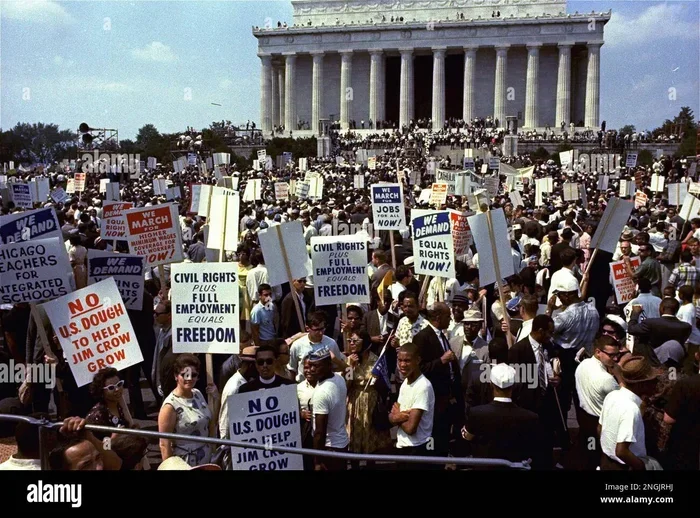

The dissent meaning refers to the act of holding or expressing views that differ from established beliefs or authority. Understanding dissent meaning is essential because it shapes free speech, drives social progress, and protects individual liberty in every democratic society. When people speak up against the majority, they spark important conversations that lead to real change.
Have you ever found yourself in a room where everyone agreed on something, but you felt deeply differently? That uneasy feeling is the heart of dissent. At its core, dissent meaning is simple: it means to disagree with a belief, decision, or authority that others accept. But the power behind that simple definition is anything but simple.
People who dissent have shaped the world we live in today. From civil rights movements to workplace reforms, the act of standing up against the majority has fueled progress. Yet many people still misunderstand what dissent really means. They confuse it with mere complaining or constant negativity. That confusion is exactly why understanding dissent meaning matters so much.
In this article, we will break down the dissent definition in plain language. We will explore why dissent plays a vital role in society, look at famous historical examples, and share practical tips for expressing disagreement in healthy ways. Whether you are curious about political dissent or want to speak up at work, this guide has you covered.
Key Takeaways
- Dissent is more than disagreement: It involves standing firm on a belief that challenges the norm or authority.
- Dissent drives social progress: History shows that many freedoms we enjoy today came from people who dared to dissent.
- Healthy dissent strengthens democracy: When citizens voice opposing views, societies become more fair and balanced.
- Dissent and free speech go hand in hand: Protecting the right to dissent protects the foundation of democratic governance.
- Practicing dissent respectfully matters: You can disagree without being disrespectful, and that balance builds trust.
- Constructive criticism is a form of dissent: It helps organizations, governments, and communities grow and improve.
- Understanding dissent meaning helps you advocate better: Knowing your rights empowers you to speak up with confidence.
📑 Table of Contents
- What Is Dissent Meaning and How Do We Define It?
- The Role of Dissent in Society and Democracy
- Famous Examples of Dissent That Changed the World
- Why Dissent Matters for a Healthy Democracy
- How to Practice Healthy Dissent in Everyday Life
- Common Mistakes People Make About Dissent
- Expert Insights on the Power of Dissent
- Conclusion: Embracing the Meaning of Dissent
What Is Dissent Meaning and How Do We Define It?
The dissent definition goes deeper than just saying “I disagree.” Dissent means to hold or express a view that opposes the accepted belief, policy, or decision of a group or authority. It comes from the Latin word “dissentire,” which means to disagree. When you dissent, you are not just offering a different opinion. You are challenging what is considered normal or right by the dominant group.
Here are some key aspects that set true dissent apart from everyday disagreement:
- It challenges authority or the majority: Dissent often targets a power structure, a popular opinion, or an established rule.
- It carries moral weight: People who dissent usually believe they are standing up for a principle they feel is deeply important.
- It can be peaceful or active: Dissent does not always mean protest. Sometimes it shows up as quiet resistance or thoughtful debate.
- It seeks change: The goal of dissent is usually to improve something, not just to argue for the sake of arguing.
Dissent vs. Disagreement: What Is the Difference?
Many people use “disagreement” and “dissent” interchangeably, but they are not the same thing. A disagreement is simply a difference of opinion. You and your friend might disagree about which restaurant to eat at. That is normal and everyday.
Dissent, on the other hand, involves a deeper level of conviction. When you dissent, you are pushing back against something that has power or influence. Think of it this way: every dissent is a disagreement, but not every disagreement is a dissent. The dissent meaning carries a sense of courage and purpose that simple disagreement does not.
Why Is Understanding Dissent Meaning Important for Individuals?
On a personal level, knowing the dissent meaning helps you understand your own voice. When you recognize that your feelings of disagreement might actually be a form of dissent, you gain confidence. You realize that your perspective has value and that standing by it is not just acceptable — it is important.
Understanding dissent meaning also helps you navigate conversations more effectively. Instead of avoiding conflict, you can approach differences of opinion with curiosity and respect. This skill improves relationships, boosts your problem-solving abilities, and makes you a more thoughtful citizen.
The Role of Dissent in Society and Democracy
Dissent is not just a personal act. It is a social force. In healthy democratic societies, dissent serves as a check on power. When citizens can voice opposition without fear of punishment, governments stay accountable and communities stay vibrant.
How Dissent Fuels Social Change
History is full of moments where dissent in history led to sweeping reforms. The civil rights movement in the United States was built on the foundation of dissent. Leaders like Martin Luther King Jr. and Rosa Parks challenged unjust laws and social norms. Their acts of dissent — both peaceful protest and civil disobedience — changed the course of a nation.
Similarly, movements for women’s suffrage, labor rights, and environmental protection all started with people who dared to dissent. They looked at the world and said, “This is not right, and I will stand up until it changes.” Without that courage, many of the freedoms and protections we enjoy today would not exist.
Dissent as a Guardian of Free Speech
Free speech and dissent are deeply connected. The right to free speech exists primarily to protect the right to dissent. If everyone could only say what the majority or the government wanted them to say, free speech would be meaningless.
When a society protects the right to dissent, it sends a powerful message: every voice matters. This protection encourages healthy debate, fosters creativity, and prevents the kind of groupthink that can lead to bad decisions. In workplaces, schools, and governments alike, the freedom to dissent leads to better outcomes for everyone.
Famous Examples of Dissent That Changed the World
Some of the most powerful moments in human history came from people who chose to dissent. These examples show us that dissent meaning is not abstract — it is real, tangible, and deeply impactful.
Mahatma Gandhi and Nonviolent Resistance
Gandhi led India to independence through peaceful protest and civil disobedience. His form of dissent was rooted in nonviolence and moral courage. He showed the world that you can challenge an empire without picking up a weapon. His approach inspired countless other movements around the globe.
Harriet Tubman and the Underground Railroad
Harriet Tubman dissented against the institution of slavery at enormous personal risk. She helped hundreds of enslaved people escape to freedom through the Underground Railroad. Her dissent was not just an opinion — it was a bold act of resistance that challenged the deepest laws and beliefs of her time.
Modern Digital Dissent
Today, dissent takes new forms. Social media has given ordinary people a platform to challenge authority, expose injustice, and spark global conversations. Movements like #MeToo and #BlackLivesMatter started as acts of digital dissent that grew into worldwide movements for change.
These examples remind us that dissent meaning is not limited to grand historical gestures. Every time someone speaks up against something they believe is wrong, they are participating in the tradition of dissent.
Why Dissent Matters for a Healthy Democracy
A democracy without dissent is like a body without an immune system. It might look healthy on the surface, but it cannot fight off corruption or injustice. Dissent and democracy are inseparable. One cannot thrive without the other.
The Connection Between Dissent and Individual Liberty
Individual liberty means the freedom to think, speak, and act according to your own beliefs. Dissent is the outward expression of that liberty. When you dissent, you are exercising your right to be yourself, even when it is unpopular.
This connection is why many countries enshrine the right to dissent in their laws and constitutions. The First Amendment in the United States, for example, protects the freedom of speech and the right to peaceably assemble. These protections exist specifically to make room for dissent.
How Dissent Prevents Tyranny
Throughout history, authoritarian regimes have cracked down on dissent first. When a government silences opposition, it sets the stage for greater abuses of power. Protecting the right to dissent is one of the strongest defenses against tyranny and oppression.
This is why political dissent matters so much. It gives ordinary people a tool to hold leaders accountable. It ensures that power does not go unchecked and that the voices of minorities are heard alongside those of the majority.
How to Practice Healthy Dissent in Everyday Life
You do not need to lead a movement to practice dissent. You can express disagreement in your daily life in ways that are respectful, constructive, and impactful. Here are some practical tips for embracing the dissent meaning in your own world.
1. Speak Up with Respect
You can disagree with someone without being rude or dismissive. Use “I” statements to share your perspective. For example, say “I see it differently” instead of “You are wrong.” This approach keeps conversations open and productive.
2. Listen Before You Respond
Healthy dissent starts with listening. When you truly understand the other side, your response becomes more thoughtful and more persuasive. Listening does not mean you agree. It means you respect the other person enough to understand their view.
3. Choose the Right Moment
Timing matters when you want to express dissent. If emotions are running high, it might be better to wait. Choose a moment when both sides can engage calmly and openly. This increases the chances that your constructive criticism will be heard and considered.
4. Focus on Ideas, Not Personal Attacks
Great dissent targets ideas and policies, not people. When you attack someone personally, you shut down the conversation. When you challenge an idea respectfully, you invite a deeper discussion. This distinction is at the heart of what dissent meaning truly represents.
5. Know Your Rights
In many countries, you have legal protections for expressing dissent. Understanding your rights gives you the confidence to speak up when it matters most. Whether it is in a workplace meeting or a public forum, knowing that you are within your rights can make all the difference.
Common Mistakes People Make About Dissent
Even well-meaning people sometimes misunderstand dissent meaning. Here are some common mistakes to avoid:
- Confusing dissent with disrespect: You can disagree strongly while still treating the other person with dignity and respect.
- Thinking dissent is always loud or visible: Some of the most powerful dissent happens quietly, through writing, art, or personal choices.
- Believing dissent means you must be against everything: You can dissent on one issue while agreeing on many others. Dissent does not require total opposition.
- Assuming dissent always leads to conflict: When done well, dissent opens doors to new ideas and solutions rather than creating division.
Quick Tips for Effective Dissent
- Stay calm and composed, even when you feel strongly.
- Use facts and evidence to support your position.
- Acknowledge what you agree with before sharing what you do not.
- Focus on finding common ground, even in disagreement.
- Be willing to change your mind if new information comes to light.
Expert Insights on the Power of Dissent
Scholars and thinkers have long recognized the importance of dissent. Philosopher John Stuart Mill argued that silencing any opinion, even one we disagree with, deprives society of the truth. He believed that healthy debate and the clash of ideas lead to deeper understanding and better decisions.
Modern researchers in social psychology have found that groups that encourage dissent make fewer errors and come up with more creative solutions. When people feel safe to voice opposing views, the entire group benefits. This research reinforces what history has shown us for centuries: dissent meaning is not just about the individual who speaks up. It is about the collective good that comes from hearing all voices.
Experts also point out that dissent plays a crucial role in public discourse. In a world filled with information and misinformation, the ability to question, challenge, and debate is more important than ever. Dissent keeps our thinking sharp and our societies honest.
Conclusion: Embracing the Meaning of Dissent
The dissent meaning is clear: it is the courageous act of standing up for what you believe, even when it goes against the grain. From the halls of government to the conversations we have at dinner tables, dissent is a force for good. It protects our freedoms, drives progress, and keeps our institutions honest.
Understanding dissent meaning empowers you to speak up with confidence and respect. It reminds you that your voice matters and that disagreement, when handled well, is not a threat — it is an opportunity. The next time you feel the pull to stand apart from the crowd, remember that you are participating in a tradition as old as human freedom itself.
So embrace the power of dissent. Speak your truth, listen to others, and never underestimate the impact one voice can have. The world changes because people like you dared to dissent.
Frequently Asked Questions
What is the basic dissent meaning in simple terms?
In simple terms, dissent meaning is the act of disagreeing with an accepted belief, decision, or authority. It goes beyond just having a different opinion — it involves standing firm on that difference, often because you believe it is the right thing to do.
Why is dissent important in a democratic society?
Dissent and democracy are deeply connected. Dissent keeps governments accountable, encourages free speech, and ensures that minority voices are heard. Without dissent, democracies can become stagnant and prone to abuses of power.
Can dissent be peaceful, and does it always involve protest?
Absolutely. Peaceful protest is one form of dissent, but dissent can also be quiet and personal. Writing a letter, sharing a different viewpoint in a meeting, or simply refusing to conform are all valid forms of dissent. The dissent definition does not require loud or public action.
How is dissent different from just being negative or argumentative?
Constructive criticism is at the heart of healthy dissent. While being negative or argumentative aims to tear something down, dissent aims to improve or correct something. People who dissent usually do so out of a sense of principle and a desire for positive change, not just to create conflict.
What are some famous examples of dissent in history?
Some of the most powerful examples include Mahatma Gandhi’s nonviolent resistance, the civil rights movement led by Martin Luther King Jr., Harriet Tubman’s fight against slavery, and modern digital movements like #MeToo. Each of these shows how dissent in history has led to meaningful social transformation.
How can I practice dissent in my daily life?
You can practice dissent by speaking up respectfully in meetings, writing to elected officials, engaging in healthy debate with friends and colleagues, and standing up for what you believe is right. The key is to express your minority opinion with courage, empathy, and a focus on finding solutions.