
The term ATM has two major meanings: Automated Teller Machine for banking and “At The Moment” as modern slang. Understanding both definitions matters more than ever in our digital-first financial world.
Key Takeaways
- ATM stands for Automated Teller Machine: It is a self-service device that lets you access your bank account for cash and other transactions.
- ATM also means “At The Moment” in texting: This slang usage is huge on social media and in casual chats.
- Knowing the ATM definition helps you avoid fees: Understanding how ATMs work saves you money on charges.
- Modern ATMs offer more than cash: You can deposit checks, transfer funds, and even buy stamps at many machines.
- ATM slang reflects digital culture: The way people use ATM in texts shows how language evolves with technology.
- Security matters with ATMs: Knowing how to use ATMs safely protects your bank account and personal data.
📑 Table of Contents
- What Is the Real ATM Meaning?
- A Brief History of the ATM Machine
- How ATMs Work in Everyday Banking
- ATM in Modern Slang and Digital Communication
- Why Understanding ATM Meaning Matters Today
- Common ATM Mistakes and How to Avoid Them
- Expert Tips for Safe and Smart ATM Use
- The Future of ATMs and Banking Technology
- Conclusion
What Is the Real ATM Meaning?
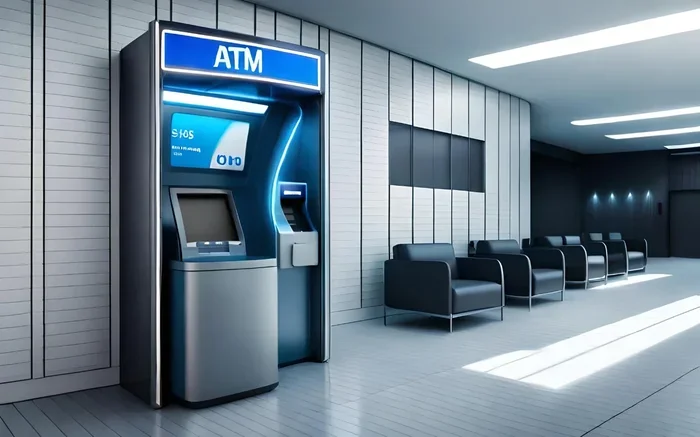
Let us start with the basics. When most people hear the letters ATM, they think of the machine at the bank. And they are not wrong. The ATM meaning in the banking world is Automated Teller Machine. This is a device that lets you handle basic banking tasks without visiting a bank branch. You can pull out cash, check your balance, and even deposit money. But there is more to the story than most people realize.
The ATM definition has grown over the decades. What started as a simple cash dispenser has become a full-service self-service kiosk. Modern machines let you pay bills, buy prepaid cards, and transfer money between accounts. So when someone asks “What does ATM mean?” the answer is bigger than you might think.
There is also a second meaning that has exploded in popularity. In texting and social media, ATM stands for “At The Moment.”strong> People use it all the time in casual conversations. For example, someone might text “I am busy ATM” to mean they are busy right now. Both meanings are valid. Both matter. And both are worth understanding deeply.
Why People Confuse the ATM Definition
Here is the thing. The banking world and the texting world do not always talk to each other. When a teenager says “ATM” in a group chat, they mean “At The Moment.” When your bank sends you a notice about an ATM fee, they mean the machine. This double meaning can cause real confusion. That is exactly why knowing the real ATM meaning in different contexts is so important.
Think about it this way. Language changes. The word “cool” used to mean a low temperature. Now it means something is great. ATM has gone through a similar shift. The original ATM definition in banking still holds strong. But the slang meaning has carved out its own space in digital communication. Both versions coexist, and both are correct in their own context.
A Brief History of the ATM Machine
The story of the ATM machine is actually pretty fascinating. The first automated teller machine appeared in the 1960s. Barclays Bank in London installed the first one in 1967. It was a simple device compared to what we have today. But it solved a real problem. People needed access to their money outside of bank branch hours.
By the 1980s, ATMs had spread across the United States and Europe. They became a staple of everyday banking. The debit card revolution in the 1990s made ATMs even more essential. Suddenly, people could use their cards to get cash anywhere. The ATM meaning shifted from a novelty to a necessity.
How ATMs Have Evolved Over the Decades
Today’s ATMs look nothing like the ones from the 1960s. Modern cash withdrawal machines come with touchscreens, cameras, and advanced security features. Many now support contactless payment and mobile banking integration. Here is a quick look at how ATMs have changed:
- 1960s: Basic cash dispensing with paper checks
- 1980s: PIN-based access and full banking functions
- 2000s: Deposit capability and bill payment options
- 2020s: Biometric authentication, mobile integration, and digital wallet support
The evolution of the ATM machine mirrors the bigger shift in banking technology. Each generation added new features. Each one made banking more convenient. And each one reinforced the central role of the ATM in our financial lives.
How ATMs Work in Everyday Banking
So how does an ATM actually work? The process is simpler than you might think. When you insert your debit card, the machine reads the chip or magnetic strip. It connects to your bank account through a secure network. Then it verifies your PIN number and processes your request.
Here is a step-by-step look at a typical ATM transaction:
- You insert your card into the card reader
- You enter your PIN to verify your identity
- You select the type of transaction you want
- The ATM connects to your bank’s server
- The machine completes the transaction and prints a receipt
That whole process takes less than a minute. And it happens securely thanks to banking technology that has improved dramatically over the years.
Common ATM Services You Can Use
Most people only use ATMs for cash withdrawal. But these machines can do so much more. Here are services you might find at a modern ATM:
- Cash deposits into your bank account
- Balance inquiries to check your funds
- Bill payments for utilities and credit cards
- Mobile top-ups for prepaid phones
- Check deposits without visiting a bank branch
- Purchasing money orders or stamps
- Fund transfers between accounts
The ATM meaning in banking is no longer just about getting cash. It is about having banking convenience at your fingertips any time of day or night.
ATM in Modern Slang and Digital Communication
Now let us talk about the other ATM meaning. In texting, social media, and online chats, ATM means “At The Moment.”strong> This usage has become incredibly popular, especially among younger users on platforms like TikTok, Instagram, and Twitter.
When someone writes “I am studying ATM,” they mean “I am studying at the moment.” It is quick, casual, and efficient. The slang fits perfectly into the fast-paced world of digital communication where every character counts.
Examples of ATM Slang in Everyday Use
Here are some real-world examples of how people use ATM in casual conversations:
- “Can’t talk right now, I am busy ATM.”
- “What are you up to ATM?”
- “I am saving money ATM because I need a new laptop.”
- “The weather is terrible ATM.”
- “I am working ATM so I will reply later.”
Notice how natural it feels. The ATM slang blends seamlessly into everyday digital writing. It has become part of the informal vocabulary that millions of people use every day.
How ATM Slang Reflects Digital Culture
The rise of ATM as slang is not random. It reflects a bigger trend in how language evolves online. People want to type less and communicate faster. Abbreviations like ATM, IMO (in my opinion), and TBH (to be honest) fill that need perfectly.
Some linguists argue that this kind of shorthand actually improves communication. It makes digital conversations feel more natural and immediate. The ATM meaning in slang is a perfect example of how technology shapes the way we talk.
Why Understanding ATM Meaning Matters Today
You might be wondering why any of this matters. The truth is, the ATM meaning affects your daily life in more ways than you might expect. Whether you are withdrawing cash or texting a friend, knowing what ATM means helps you communicate better and manage your money smarter.
Financial Literacy and ATM Awareness
Understanding how ATMs work is a key part of financial literacy. When you know how to use an ATM safely and efficiently, you avoid costly mistakes. You understand ATM fees, you know how to protect your PIN, and you can spot suspicious machines. This knowledge keeps your bank account safe.
Here are some reasons why ATM awareness matters for your finances:
- Fee avoidance: Knowing which ATMs charge fees helps you save money
- Security: Understanding ATM safety protects you from fraud
- Efficiency: Using ATMs properly saves you time
- Record keeping: Reviewing your transaction history helps you track spending
Communication Skills in the Digital Age
On the other side of the coin, knowing the slang meaning of ATM makes you a better digital communicator. If you do not know what “ATM” means in a text, you might misunderstand someone. In a world where texting is a primary form of communication, this kind of knowledge is genuinely useful.
It also helps you stay connected with younger family members and friends. When your kids or grandkids use ATM in a message, you will know exactly what they mean. That small bit of understanding can make a big difference in your relationships.
Common ATM Mistakes and How to Avoid Them
Even though ATMs are convenient, people make mistakes all the time. Some of these mistakes cost money. Others put your security at risk. Let us look at the most common ATM mistakes and how to avoid them.
Mistake 1: Ignoring ATM Fees
Many ATMs charge fees for withdrawals, especially if you use a machine outside your bank’s network. These ATM fees can add up fast. A $3 fee at an out-of-network machine might not seem like much. But if you use that machine twice a week, you could pay over $300 a year in fees.
Quick fix: Use ATMs within your bank’s network. Most banking apps show you where fee-free ATMs are located. Take advantage of this feature.
Mistake 2: Skipping the Receipt
Some people skip the receipt to save paper. But receipts are important. They give you a record of your transaction history. If there is ever a problem with your bank account, the receipt is your proof.
Quick fix: Take the receipt and compare it with your online banking statement at the end of the day.
Mistake 3: Sharing Your PIN
This one should be obvious, but it happens all the time. Never share your PIN number with anyone. And never write it on your card. A strong PIN is your first line of defense against fraud.
Quick fix: Use a PIN that is hard to guess. Avoid birthdays, anniversaries, or simple sequences like 1234.
Mistake 4: Not Covering the Keypad
When you enter your PIN, someone might be watching. This is called “shoulder surfing.” It is a real security threat at busy ATMs.
Quick fix: Always use your hand to cover the keypad when you type in your PIN. It takes two seconds and it keeps your bank account safe.
Expert Tips for Safe and Smart ATM Use
Using an ATM safely is about more than just remembering your PIN. It is about building good habits. Here are some expert tips that can help you get the most out of every ATM visit.
- Check the machine before you use it. Look for anything unusual like loose parts or extra cameras. A tampered card reader can steal your data.
- Use ATMs during daylight hours. If you must use one at night, choose a well-lit, busy location.
- Lock your car doors. If you are using a drive-up ATM, keep your doors locked and windows up except for the driver window.
- Memorize your PIN. Never store it in your phone or wallet. If you must write it down, keep it somewhere completely separate from your card.
- Take your receipt. It helps you track your spending and catch any errors quickly.
- Report problems immediately. If the machine does not give you cash but still deducts the amount, contact your bank right away.
These simple habits make a huge difference. They protect your bank account and give you peace of mind every time you use an ATM.
The Future of ATMs and Banking Technology
What does the future hold for the ATM machine? The answer is exciting. Banking technology is changing fast, and ATMs are evolving right along with it.
Biometric authentication is one of the biggest trends. Some ATMs now use fingerprint scanning and facial recognition instead of PIN numbers. This makes transactions faster and more secure. Another trend is the rise of contactless payment at ATMs. You can now use your digital wallet or mobile banking app to complete transactions without even inserting a card.
Some experts believe that as cashless society trends continue, the role of ATMs will shift. Machines may focus more on deposit services and digital account management rather than just cash withdrawal. But no matter how much banking technology changes, the core purpose of the ATM stays the same: giving people convenient access to their money.
Will ATMs Become Obsolete?
It is unlikely. Even in a world of contactless payment and digital wallets, millions of people still need cash. And in many parts of the world, ATMs remain the primary way to access a bank account. The ATM meaning may expand and evolve, but the machine itself is here to stay.
The key is adaptation. As banking technology advances, ATMs will keep pace. They will become smarter, faster, and more secure. And the ATM definition will continue to grow along with them.
Conclusion
The real ATM meaning goes far beyond what most people assume. Whether you are talking about the Automated Teller Machine at the corner store or the slang term “At The Moment” in a text message, both meanings matter. Understanding the ATM definition in both contexts makes you a smarter banker, a better communicator, and a more informed digital citizen.
From cash withdrawal to banking convenience, from debit card security to modern digital wallet integration, ATMs play a central role in our daily lives. And the slang use of ATM shows how language keeps evolving with technology. Both sides of the ATM meaning are worth understanding.
So the next time you see those three letters, you will know exactly what they mean. And more importantly, you will know why it all matters. Take what you have learned here and apply it. Check your transaction history regularly. Use ATMs safely. And embrace the ever-changing world of banking technology with confidence.
Frequently Asked Questions
What does ATM stand for in banking?
In banking, ATM stands for Automated Teller Machine. It is a self-service device that lets you access your bank account to withdraw cash, deposit money, check your balance, and perform other basic transactions without visiting a bank branch.
What does ATM mean in texting?
In texting and social media, ATM means “At The Moment.”strong> It is used to describe something happening right now. For example, “I am busy ATM” means you are busy at the moment. This slang is widely used in casual digital communication.
Are ATM fees avoidable?
Yes, most ATM fees are avoidable. Use machines within your bank’s network to avoid out-of-network charges. Many banking apps show fee-free ATM locations near you. You can also choose banks that reimburse ATM fees as part of their account benefits.
How do I stay safe when using an ATM?
Cover your PIN when typing it in. Use well-lit ATMs, especially at night. Check the machine for anything unusual before inserting your card. Never share your PIN with anyone. And always take your receipt to track your transaction history.
Can you use a digital wallet at an ATM?
Yes, many modern ATMs now support contactless payment and digital wallet integration. You can use services like Apple Pay or Google Pay at compatible machines. This is part of the broader shift in banking technology toward cashless society trends.
What other services can you do at an ATM besides cash withdrawal?
Modern ATMs offer many services beyond cash withdrawal. You can deposit checks and cash, pay bills, transfer funds between accounts, buy prepaid cards, purchase stamps, and even top up your mobile phone. The ATM definition has expanded well beyond just dispensing money.