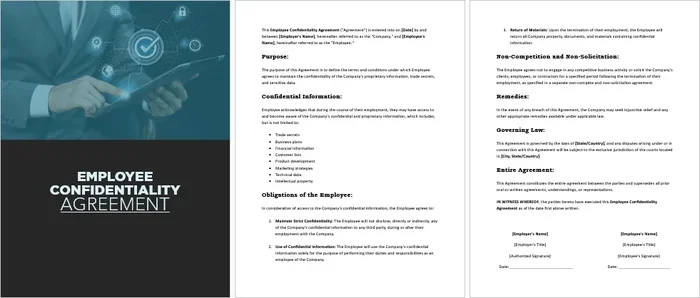

The NDA meaning is simple: it stands for non-disclosure agreement, a legal contract that keeps your confidential business information safe. Whether you are sharing trade secrets with a partner or hiring a new employee, an NDA sets clear rules about what stays private. In this guide, you will learn exactly what an NDA is, how it works, the different types available, and how to avoid common mistakes that could weaken your protection.
If you have ever been asked to sign a stack of papers before a business meeting, there is a good chance one of those papers was a non-disclosure agreement. You might have signed it without reading it. Or maybe you have heard the term floating around but never really understood what it meant. Either way, you are not alone. The NDA meaning is one of those business terms that sounds complicated but is actually quite straightforward once you break it down.
In this article, we will walk you through everything you need to know about NDAs. We will cover the NDA meaning in plain language, explain how these agreements work in real life, look at the different types you might encounter, and highlight the key clauses you should always pay attention to. By the end, you will feel confident about what an NDA does and when you should use one.
Key Takeaways
- NDA stands for non-disclosure agreement: A legally binding contract that protects your confidential business information from being shared without permission.
- NDAs come in different forms: You can use one-sided, mutual, or multi-party NDAs depending on your situation and needs.
- Key clauses matter: The definition of confidential information, term length, and remedies for breach are the most critical parts of any NDA.
- Use NDAs early and often: Sign them before sharing trade secrets, business plans, or proprietary data with partners, employees, or investors.
- Avoid common mistakes: Vague language, missing remedies, and overly broad terms can make your NDA unenforceable in court.
- NDAs are not the same as non-competes: They serve different purposes and cover different aspects of business protection.
📑 Table of Contents
What Is the NDA Meaning and Why Should You Care?
The NDA meaning is non-disclosure agreement. It is a legally binding contract between two or more parties that outlines confidential material, knowledge, or information that the parties wish to share with one another for specific purposes but want to restrict access by third parties. In simple terms, it is a promise that says, “I will not share what you tell me with anyone else.”
Think of it like a verbal promise you make to a friend. But unlike a handshake deal, an NDA contract is enforceable by law. If someone breaks the terms, you can take legal action. This is why NDAs in business are so common. They give companies and individuals peace of mind when sharing sensitive information.
Here are some everyday situations where NDAs come into play:
- A startup founder pitching an idea to a potential investor
- A company hiring a new employee who will access client data
- Two businesses discussing a merger or partnership
- A freelancer working on a client’s proprietary software code
- A manufacturer sharing a secret recipe with a packaging partner
In each of these cases, the confidential disclosure needs protection. Without an NDA, there is nothing stopping someone from walking away with your ideas and using them for their own gain. That is the power of understanding the NDA meaning and knowing how to use it properly.
Why Do NDAs Matter So Much?
Your business ideas, customer lists, and secret processes are valuable. They give you a competitive edge. If a competitor gets hold of that information, it could cost you everything. Intellectual property protection starts with keeping information private, and NDAs are one of the simplest and most effective tools for doing that.
According to contract law experts, the primary goal of any confidentiality agreement is to create a legal framework that deters unauthorized sharing. When people know they have signed a binding document, they take the information more seriously. It creates a culture of trust and respect around sensitive data.
How Does an NDA Work in Real Life?
Now that you understand the NDA meaning, let us look at how these agreements actually work in practice. The process is simpler than most people think.
First, one party shares sensitive information with another party. This could be a business plan, a design, a formula, or any other type of proprietary data. Before sharing that information, both parties agree to the terms of the non-disclosure agreement. The agreement spells out exactly what is considered confidential, how long the protection lasts, and what happens if someone breaks the rules.
Here is a quick look at how the process typically flows:
- One party identifies sensitive information that needs protection
- Both parties negotiate the terms of the NDA contract
- Both parties sign the agreement
- The confidential information is shared
- Each party is legally bound to keep the information private
The beauty of an NDA agreement is that it works both ways in many cases. Even if you are the one sharing the information, you still have legal recourse if the other party leaks it. This is why understanding contract law basics can be so helpful when you are drafting or signing any type of confidentiality document.
What Happens If Someone Breaks an NDA?
If a party violates the terms of a breach of NDA, the injured party can take legal action. The remedies can include financial damages, injunctions to stop further disclosure, or even criminal charges in severe cases. The exact outcome depends on the severity of the breach and the specific terms outlined in the agreement.
However, enforcing an NDA is not always easy. Courts look at several factors, including how clearly the confidential information was defined and whether the breach actually caused harm. This is why the language in your agreement matters so much. Vague or overly broad terms can weaken your position significantly.
The Different Types of NDAs You Should Know About
Not all NDAs are created equal. Depending on your situation, you might need a specific type of agreement. Understanding the different options helps you choose the right one for your needs.
One-Sided NDA
A one-sided NDA is also called a unilateral agreement. In this setup, only one party shares confidential information. The other party simply agrees to keep it secret. This is the most common type of NDA meaning in everyday business. For example, when a company hires a new contractor, the company might ask the contractor to sign a one-sided NDA.
Mutual NDA
A mutual NDA means both parties are sharing confidential information. Both sides agree to protect each other’s secrets. This type of agreement is common in merger discussions, joint ventures, and partnership negotiations. When two companies are exploring a collaboration, a mutual confidentiality agreement ensures that neither side can walk away with the other’s ideas.
Multi-Party NDA
A multi-party NDA involves three or more parties. This is useful in situations where multiple businesses or individuals are working together on a project and all need to share sensitive information. The rules apply to everyone involved, not just two sides.
| NDA Type | Who Shares Info? | Common Use Case |
|---|---|---|
| One-Sided NDA | One party only | Hiring contractors, employee onboarding |
| Mutual NDA | Both parties | Partnerships, mergers, joint ventures |
| Multi-Party NDA | Three or more parties | Group projects, consortium agreements |
Each type serves a different purpose. Choosing the right one depends on who is sharing information and why. Getting this right is a big part of legal protection for your business.
Key Clauses to Look For in Every NDA
Not all NDA templates are created equal. Some are thorough and detailed. Others are vague and easy to challenge in court. Knowing what to look for in an NDA clause can save you a lot of trouble down the road.
Definition of Confidential Information
This is the most important part of any non-disclosure agreement. It clearly defines what information is considered confidential and what is not. A good definition is specific and detailed. It should list the types of information covered, such as business plans, financial data, customer lists, or technical designs.
Watch out for agreements that use overly broad language. If everything is labeled “confidential,” it can be hard to enforce the terms. Courts often side with the party that had a reasonable expectation of privacy, not the party that tried to lock up every single piece of information.
Duration of the Agreement
Every NDA contract should specify how long the protection lasts. Some NDAs last for two years. Others last five years or even indefinitely. The right duration depends on the nature of the information. A trade secret might need protection for decades, while a marketing plan might only need a few years of coverage.
Remedies for Breach
This section outlines what happens if someone breaks the agreement. Common remedies include monetary damages, injunctive relief (a court order to stop the breach), and payment of legal fees. Make sure your agreement includes clear remedies so you are not left guessing if a breach occurs.
Exclusions from Confidentiality
Not everything can be kept confidential forever. Most NDAs include exclusions, such as information that is already publicly known or information that the receiving party already knew before the agreement. These exclusions protect both sides from unfair obligations.
Non-Compete and Non-Solicitation Clauses
Some NDAs include additional clauses that go beyond just keeping information secret. A non-compete agreement prevents the receiving party from working with your competitors. A non-solicitation agreement stops them from poaching your employees or clients. These clauses add extra layers of legal protection, but they must be reasonable to hold up in court.
When and Why You Should Sign an NDA
Knowing the NDA meaning is one thing. Knowing when to use one is another. There are several situations where signing a confidentiality agreement is not just smart but essential.
You should consider signing an NDA anytime you are about to share information that gives your business a competitive advantage. Here are some specific scenarios:
- Before a job interview: If you are interviewing for a role that involves access to proprietary systems, the employer may ask you to sign an NDA
- During partnership talks: Any time you discuss business strategies or share data with a potential partner
- When onboarding new employees: Especially for roles that involve access to sensitive company data
- Before working with freelancers: If a contractor will have access to your designs, code, or business plans
- During investor meetings: When pitching your startup or business idea to potential backers
The key is to act early. Do not wait until after the information has been shared to think about protection. By that point, it might be too late. Signing an NDA before sharing confidential information is the best practice in NDAs in business.
Quick Tips for Signing an NDA
- Read every clause carefully before signing
- Make sure the definition of confidential information is specific
- Check the duration and make sure it makes sense for your situation
- Verify that remedies for breach are clearly stated
- Keep a signed copy for your records
- Consult a lawyer if anything feels unclear or unfair
These small steps can make a huge difference. They ensure that your confidential disclosure is protected and that you have a clear path to action if something goes wrong.
Common NDA Mistakes to Avoid
Even with the best intentions, people make mistakes when it comes to NDA enforcement. Avoiding these common pitfalls can save you time, money, and headaches.
Using Vague Language
The biggest mistake people make is using vague or overly broad language in their agreements. If you label everything as “confidential,” a court might throw the whole agreement out. Be specific about what qualifies as sensitive information. The more precise you are, the stronger your legal protection will be.
Skipping the Remedies Section
Some people focus so much on defining confidential information that they forget to include remedies for breach. Without clear remedies, your agreement is harder to enforce. Always include a section that spells out what happens if someone violates the terms.
Ignoring the Duration
An NDA with no clear end date can create confusion. How long does the protection last? Five years? Ten years? Forever? Make sure the duration is stated clearly and makes sense for the type of information being protected.
Assuming an NDA Replaces Non-Compete Protection
An NDA and a non-compete agreement serve different purposes. An NDA protects information. A non-compete protects your business interests by limiting where a person can work. Do not assume that one replaces the other. If you need both, include both in your agreement.
Not Consulting a Lawyer
While you can find free NDA templates online, not every template fits every situation. A lawyer can help you customize the agreement to your specific needs and ensure it holds up in court. This is especially important for complex deals or high-stakes partnerships.
Expert Insight: According to contract law professionals, the strongest NDAs are the ones that are specific, reasonable, and clearly written. If a judge cannot easily understand the terms, the agreement may not hold up. Keep it simple and keep it clear.
Conclusion
The NDA meaning is straightforward: it is a non-disclosure agreement that keeps your confidential business information safe. Whether you are a startup founder, a hiring manager, or a freelancer, understanding how NDAs work is one of the best things you can do for your business. These agreements protect your trade secrets, your proprietary information, and your competitive edge.
By now, you should have a solid grasp of the different types of NDAs, the key clauses to look for, and the common mistakes to avoid. Remember to always read your agreement carefully, be specific about what needs protection, and consult a legal professional when needed. The time you invest in understanding and using NDAs properly can save you from costly disputes and protect the ideas that matter most to you.
Take action today. The next time someone asks you to share sensitive information, make sure you have the right confidentiality agreement in place. Your business ideas deserve that level of legal protection, and now you have the knowledge to make sure they get it.
Frequently Asked Questions
What does NDA stand for?
NDA stands for non-disclosure agreement. It is a legally binding contract that prevents parties from sharing confidential information with others. The NDA meaning is simple: it creates a private zone around sensitive business information and gives you legal recourse if that privacy is violated.
Is an NDA the same as a non-compete agreement?
No, they are not the same. An NDA protects specific information from being shared. A non-compete agreement limits where a person can work after leaving a company. While some agreements include both, they serve different purposes. Understanding the NDA meaning separately from non-competes helps you use the right tool for the right situation.
How long does an NDA last?
The duration varies depending on the agreement. Some NDAs last for two years, while others last five years or more. The length depends on the type of information being protected. Trade secrets often require longer protection periods than, say, a marketing plan. Always check the duration clause before signing.
Can an NDA be enforced if it is too broad?
Courts often reject NDAs that are overly broad or vague. If the agreement tries to protect everything without clear boundaries, a judge may find it unenforceable. This is why specificity in the definition of confidential information is so important for NDA enforcement.
Do I need a lawyer to draft an NDA?
While you can use a free NDA template online, consulting a lawyer is always a good idea. A legal professional can customize the agreement to your specific needs and ensure it holds up in court. This is especially important for high-value or complex business deals involving intellectual property.
What happens if someone breaks an NDA?
If someone violates a breach of NDA, the injured party can take legal action. Remedies can include financial damages, court orders to stop further disclosure, and payment of legal fees. The exact outcome depends on the terms of the agreement and the severity of the breach.